Burned books, stalled talks and months without rotation: November 26
Kyiv’s Konvi printing house was hit again. Kushner outlined disagreements in peace talks, while the ombudsman described troops withdrawn after months on the front line.
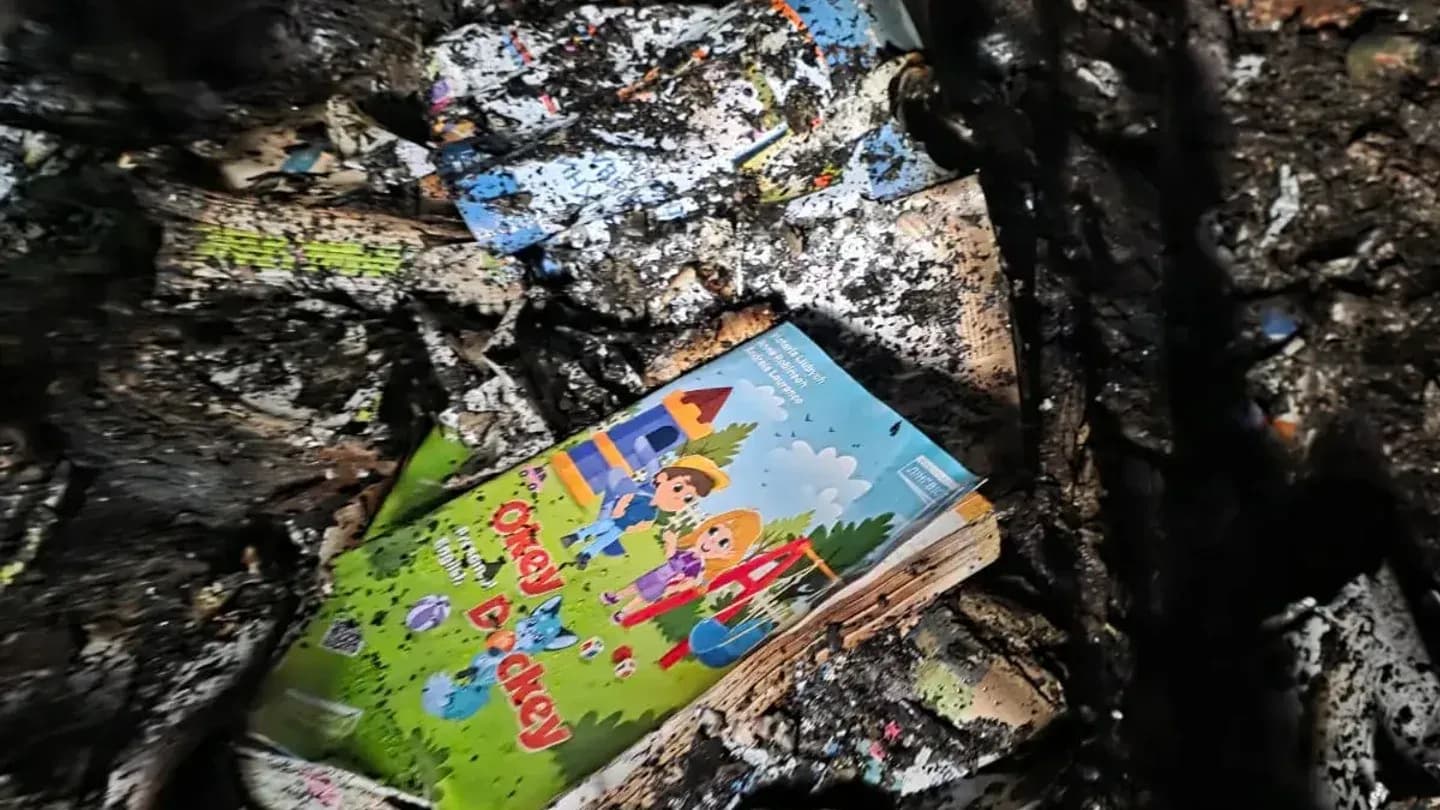
A Russian attack on Kyiv burned down a materials warehouse at the Konvi printing house and damaged print runs belonging to at least 11 publishers. The losses include textbooks for children with special educational needs. While US negotiator Jared Kushner describes disputes over postwar security, protection has an immediate, practical meaning for civilians and soldiers: restoring book production and allowing people on the front line to rest.

A second blow to recovery
Konvi’s commercial director, Viktoriia Haidai, put the attack at 10:44 p.m. on November 25. Rescue workers and bomb disposal specialists were still at the site at 4 p.m. the next day. The number of destroyed books is being counted. This strike hit beside premises already damaged in July.
The affected publishers include Ranok, Hramota, Linhvist, Litera LTD, Mison, Old Lion Publishing House, BookChef, Knyholav, Knyhy — XXI, Mamino and Apriori. The printing house has yet to release a final list.
The July attack destroyed about 5,000 square metres of production space and approximately 600,000 books. Within three months, the company restored roughly half its production capacity using its own resources. Haidai says its subsequent application for a subsidised loan did not secure financing, and that the printing house received no state assistance or compensation either.
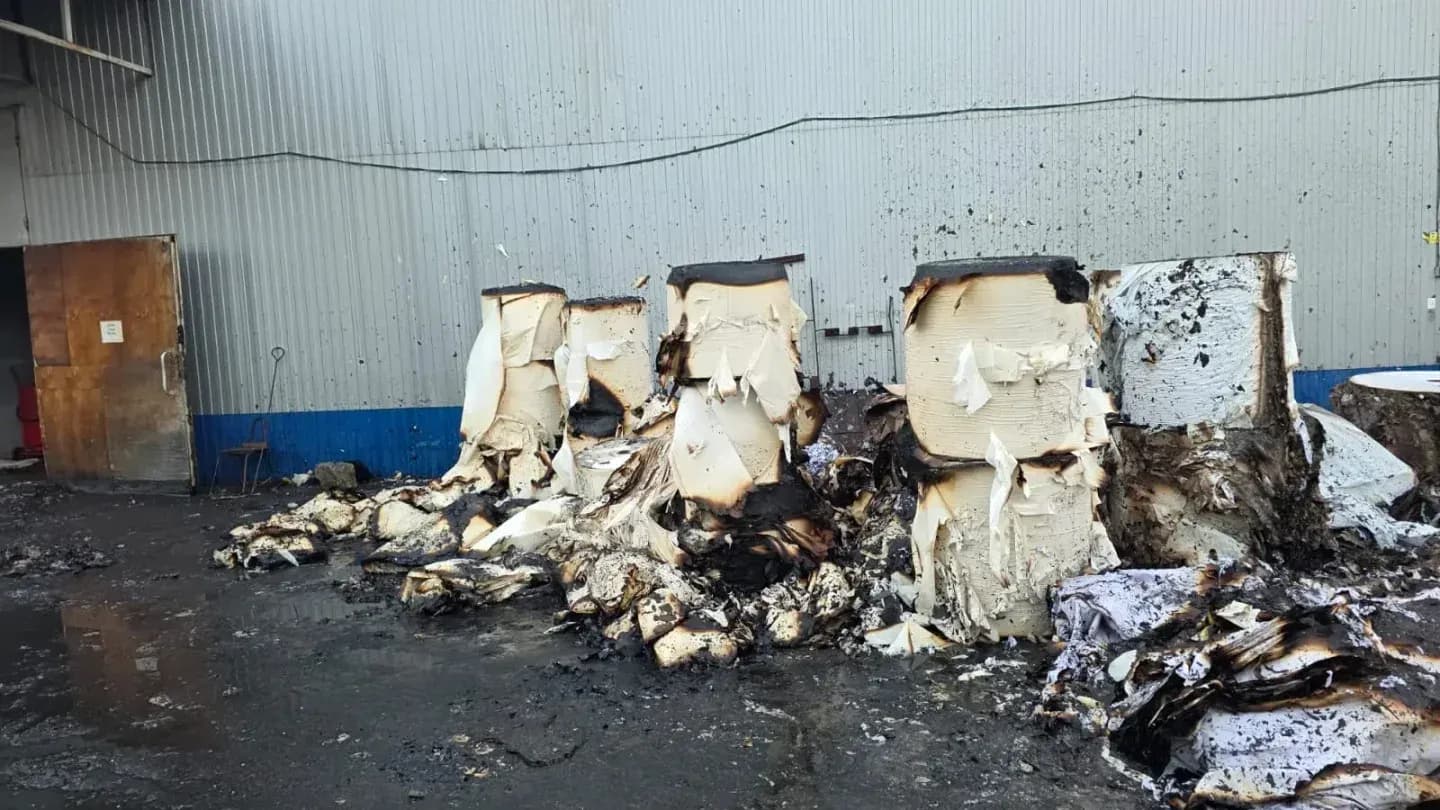
The company now needs financing, building materials and funds to pay construction crews. Another requirement is electricity from the city: Haidai says generators alone cannot power the work needed to deal with the damage. Recovery requires not just donations but a concrete response from the authorities on electricity supplies and access to financing.
On November 26, the Kyiv Regional Military Administration also recorded attack damage in two settlements in Brovary district. Two homes, a garage and an outbuilding were damaged; debris damaged a shop roof at the other location. No information about casualties was available when the administration issued its statement.
What Kushner sees as obstacles to peace
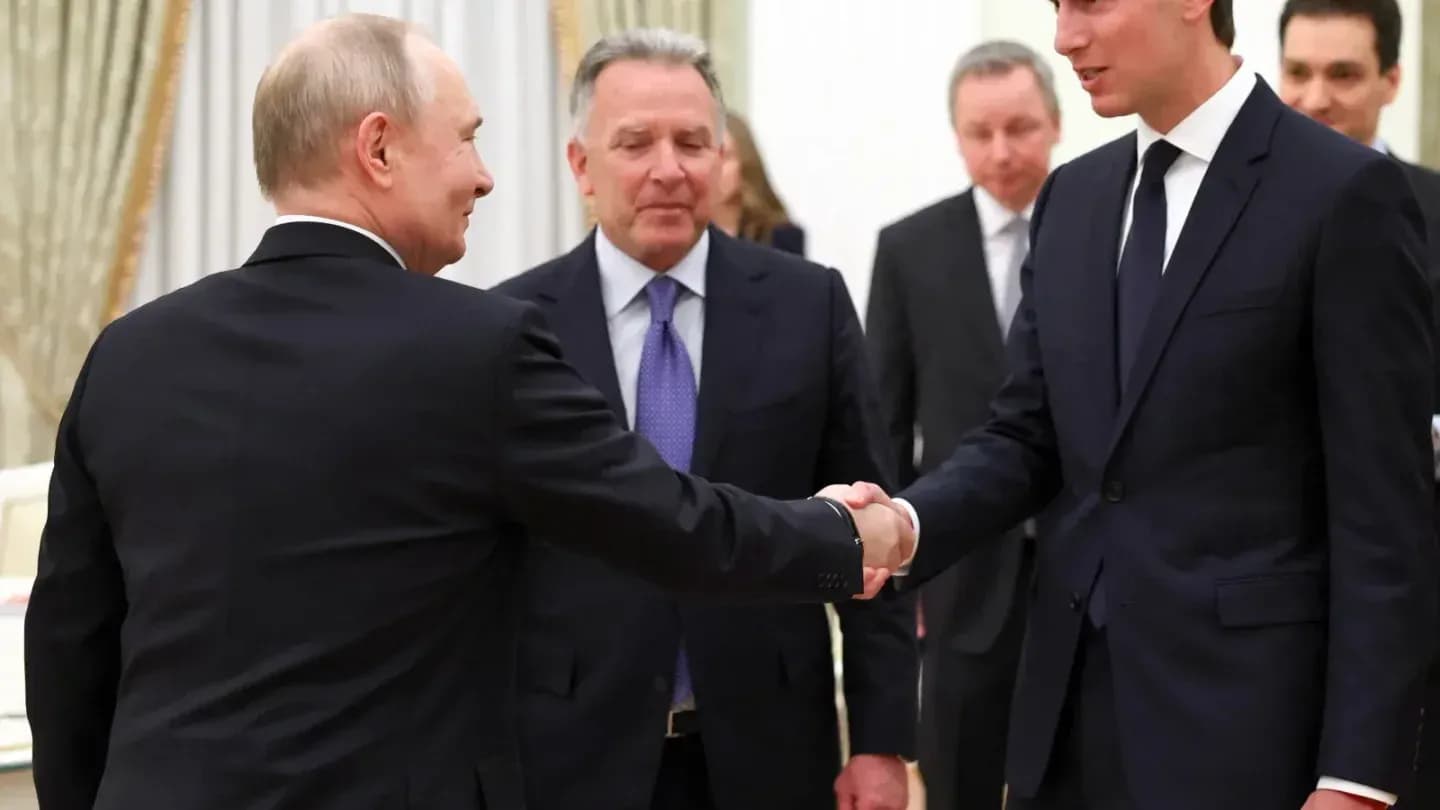
In an interview with Mathias Döpfner released on November 25, Kushner acknowledged a deadlock over territory. He proposed working out postwar security arrangements first, hoping that this would open a path to territorial agreements.
Discussing guarantees for Ukraine, the negotiator called the wording of Article 5 of the NATO treaty the “gold standard”. He argues that Kyiv wants more specific commitments than allies give one another, and that the United States cannot offer more precise promises. That is Kushner’s negotiating position, not a protection mechanism already agreed by Ukraine.
Kushner also denied that Washington was pressuring Volodymyr Zelensky and described Putin as a “grandmaster of politics”. For Ukrainians, the consequential issue is not that flattering description but what commitments partners are prepared to make in the event of another attack. In the position he outlined, the substance of the guarantees, alongside territory, remains a point of disagreement.
More than 230 days on front-line positions
On November 26, ombudsman Dmytro Lubinets announced the withdrawal of a serviceman who had spent more than 230 days on front-line positions without rotation. On another sector, a further 12 service members were evacuated after more than four months on their positions.

Lubinets said their families had previously approached various authorities without receiving the help they needed. After the ombudsman intervened, the General Staff promptly helped resolve the situation. The service members are resting and recovering; leave and rehabilitation are planned for the soldier who spent more than 230 days on the front line.
Lubinets called for clear limits on time spent on positions and practical opportunities for rotation. In this case, the General Staff was able to help after the ombudsman intervened. The question for commanders is how to make such rest available without families having to spend months seeking help.
Money for a transfer: a specific case
The Military Law Enforcement Service announced that a senior soldier from a disciplinary battalion had been detained in Kyiv on November 24 over the alleged receipt of $9,000. Investigators allege that he promised to help transfer a service member undergoing basic training to an honour guard battalion so that the person would not subsequently have to perform combat tasks.
This is a specific allegation, not a fact established by a court or a verified army-wide “price” for transfers. Investigators must establish who else was involved and whether the detainee could actually influence personnel decisions. Accountability in such a case should not stop with the person taking money if officials authorised to decide service assignments are proved to have participated.
Source: Strana
Primary sources
Documents and statements this story is based on.