
Nord Stream blasts' impact on gas supplies: behind a new assessment
Novoe Izdanie reported that the blasts had little impact on Germany's gas supply. The court account lacks a primary source, and the LNG timeline needs clarification.
The Telegram channel Novoe Izdanie reported on 5 November that the Nord Stream explosions had little impact on Germany's gas supply, attributing that assessment to Germany's Federal Network Agency, the Bundesnetzagentur. The channel linked its report to an agency representative's appearance in court, but named neither the speaker nor the court or hearing date, and provided no link to a court document or regulator statement. For now, this is an assessment as relayed by the channel, rather than an established agency position following a hearing.
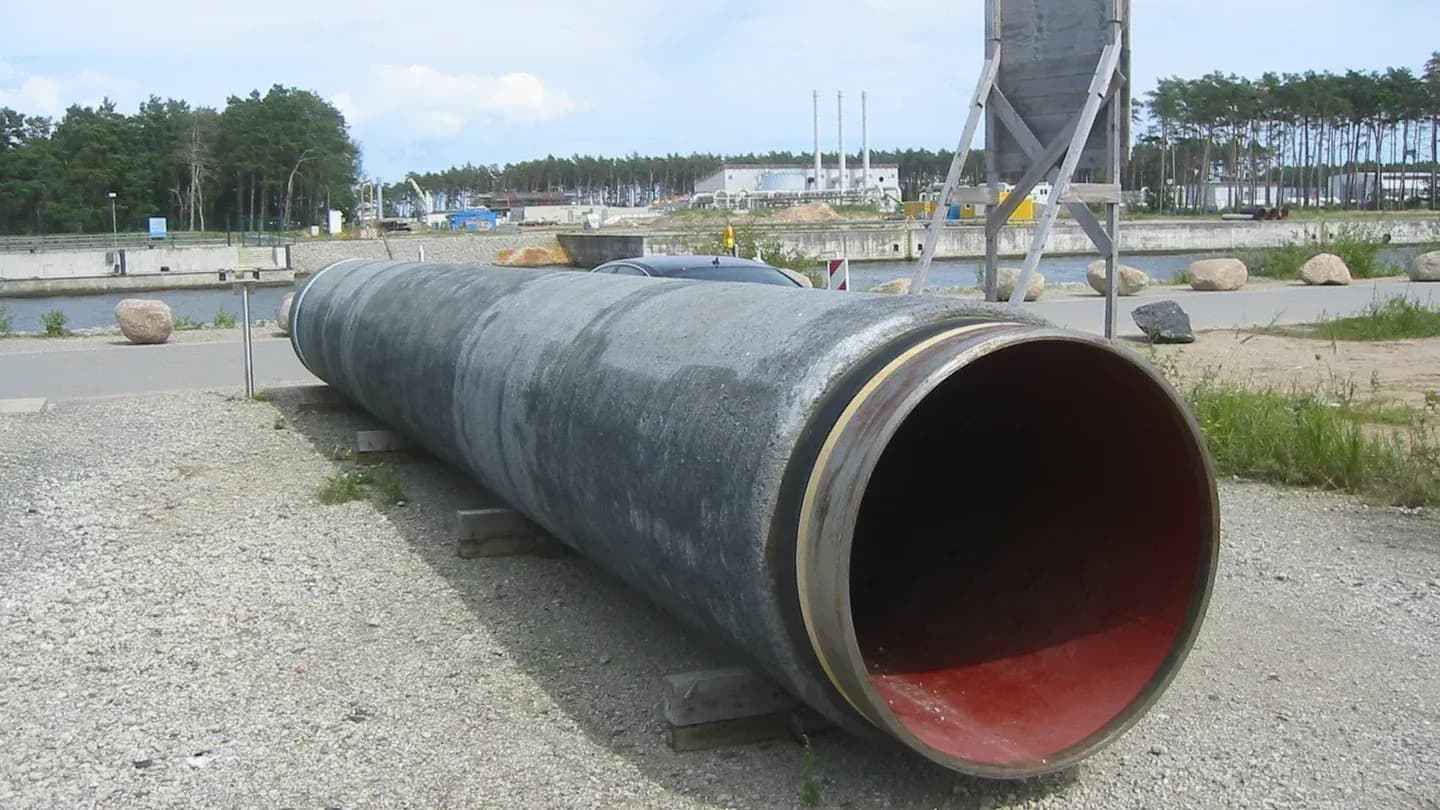
Historical Bundesnetzagentur data confirm one premise of that assessment: Nord Stream 1 deliveries stopped before the pipelines were damaged in the Baltic Sea in September 2022. In its review of 2022, published on 6 January 2023, the regulator describes successive supply cuts. Until mid-June, Nord Stream 1 delivered around 1.7 TWh of gas a day. Volumes subsequently fell by 60%, then by 80%, reaching zero in early September. In a statement dated 29 September 2022, the North Atlantic Council described the damage to Nord Stream 1 and Nord Stream 2 as sabotage, based on the information available at the time.
It is important to distinguish the immediate loss of ongoing deliveries from the consequences of the gas crisis as a whole. The Bundesnetzagentur reported that missing Russian deliveries were partly offset by additional imports from the Netherlands, Belgium, Norway and other countries. Meanwhile, Germany's gas consumption in 2022 was 14% below the average for the preceding four years: industrial consumption was down 15%, and household and commercial consumption fell 12%. The regulator also highlighted the role of warmer weather in reducing consumption.
Stocks were also being built up before the pipelines were damaged. Germany's storage facilities were already 85% full in early September 2022. They reached 95% on 12 October and 100% on 13 November. These figures explain the reserves with which the country entered the heating season, but do not in themselves measure the economic damage caused by the sabotage.
The reference to new LNG terminals among measures Germany took before the explosions is open to different readings: the channel does not specify which country these terminals were in. Germany's own terminals were not yet operating, but their launch dates do not rule out purchases through terminals abroad. According to the Bundesnetzagentur's review dated 4 January 2024, Germany's first LNG terminal, in Wilhelmshaven, began operating only in December 2022. Terminals in Lubmin and Brunsbüttel followed in January and March 2023. Across 2023, German LNG terminals supplied 7% of the country's total gas imports; the largest import shares came from Norway at 43%, the Netherlands at 26% and Belgium at 22%.
The absence of an additional immediate halt in flows does not mean there were no costs for consumers and industry. According to the regulator, the average day-ahead gas price was €127.1/MWh in 2022 and €41/MWh in 2023. These annual figures describe the broader crisis and subsequent price decline, not an isolated price effect of the sabotage. The verified data support a narrow conclusion: Nord Stream 1 was not delivering gas even before the damage, while Germany's supply restructuring involved alternative imports, storage filling and reduced consumption.
Primary sources
Documents and statements this story is based on.