Mother of fallen German combat medic Savita Wagner banned from Ukraine for three years. No one explains why
73-year-old Ursula Wagner, travelling to her daughter's grave, was turned back at the Polish border under an instruction from the State Migration Service. The reason is not in the document, the Border Guard does not know it, and the Migration Service stays silent.
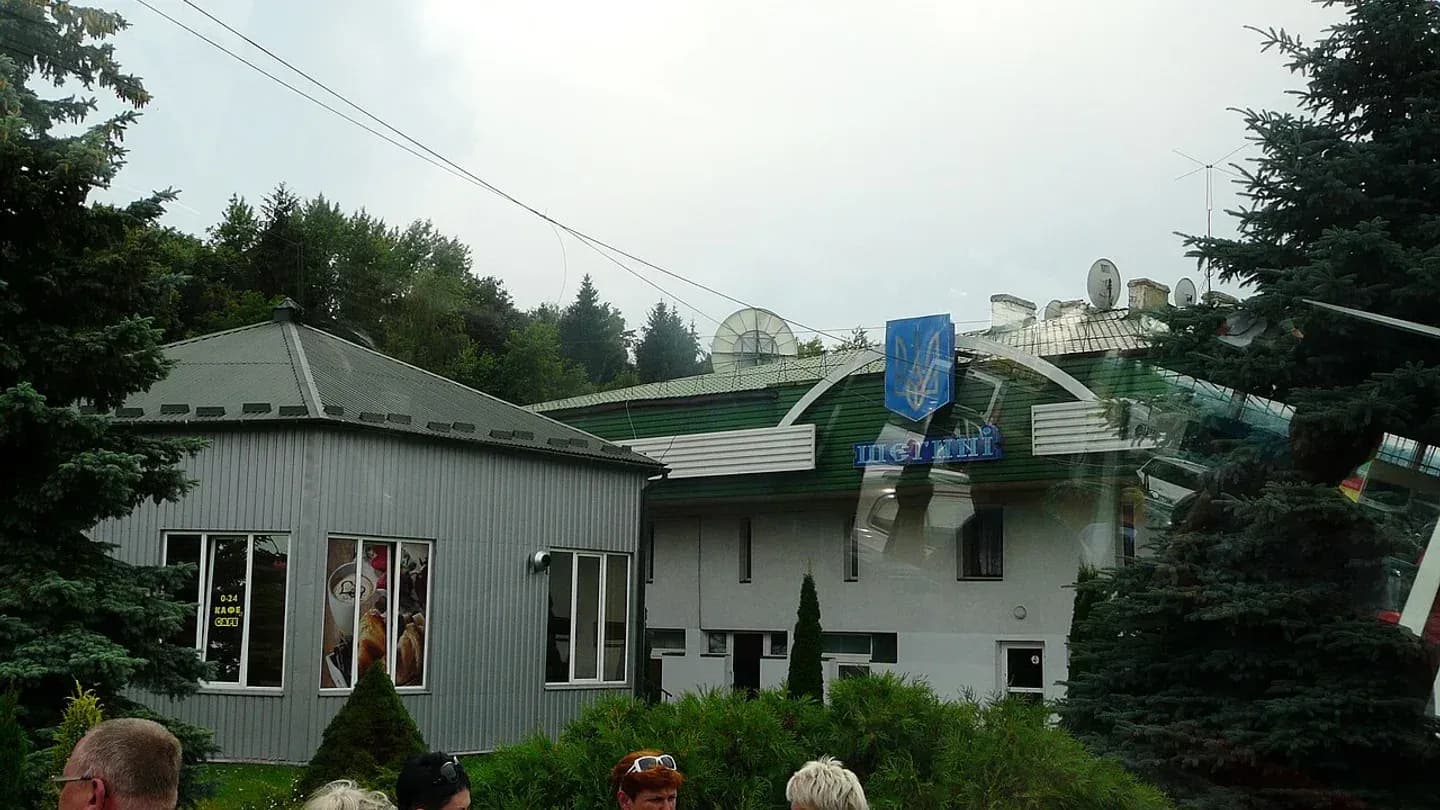
On Saturday, 14 November, 73-year-old Ursula Wagner passed passport control at Ukraine's border with Poland — and ended up on the wrong side of it. The woman, travelling by bus to Kyiv to visit her only daughter's grave, had to collect her suitcase from the coach and, escorted by a border guard, return to the Polish side. The reason was in the document handed to her: a three-year ban on entering Ukraine, issued "on the basis of an instruction of the State Migration Service of Ukraine". The document contains no reason at all.
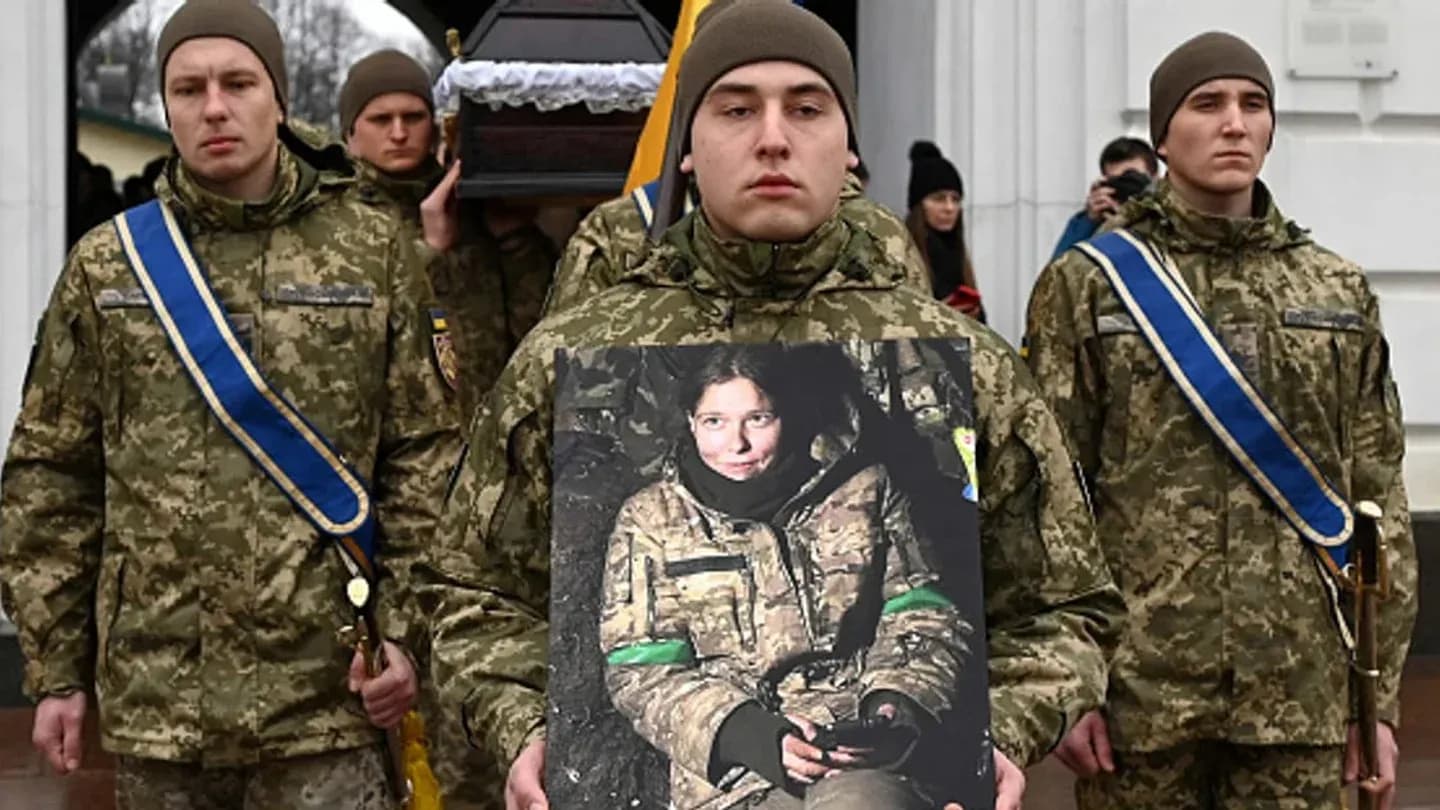
"It was like a punch in the face, as if I had lost Savita a second time, now that I cannot even visit her grave," Ursula Wagner said. "I can only explain it as a mistake in the system, because nobody could tell me the reason." By her account, the border guards behaved in a friendly way: they were enforcing a decision whose content they had never seen.
An instruction with no explanation
In an official comment, the State Border Guard Service explained the mechanism this way: decisions to ban entry for various reasons can be taken by several authorised state bodies, and the Border Guard receives them "in the form of an instruction for execution at the border during border control procedures". Then comes the key sentence of the whole story: "The circumstances of the decision, the reasons why a foreigner is barred from entering Ukraine, are not communicated to the border agency."
So at the border stands an agency obliged to turn a person away but lacking both the authority and the information to check whether the decision is justified. The State Migration Service, whose instruction became the basis of the ban, had published no explanation of the grounds as of the evening of 16 November. Between these two silences stood a 73-year-old woman with a suitcase.
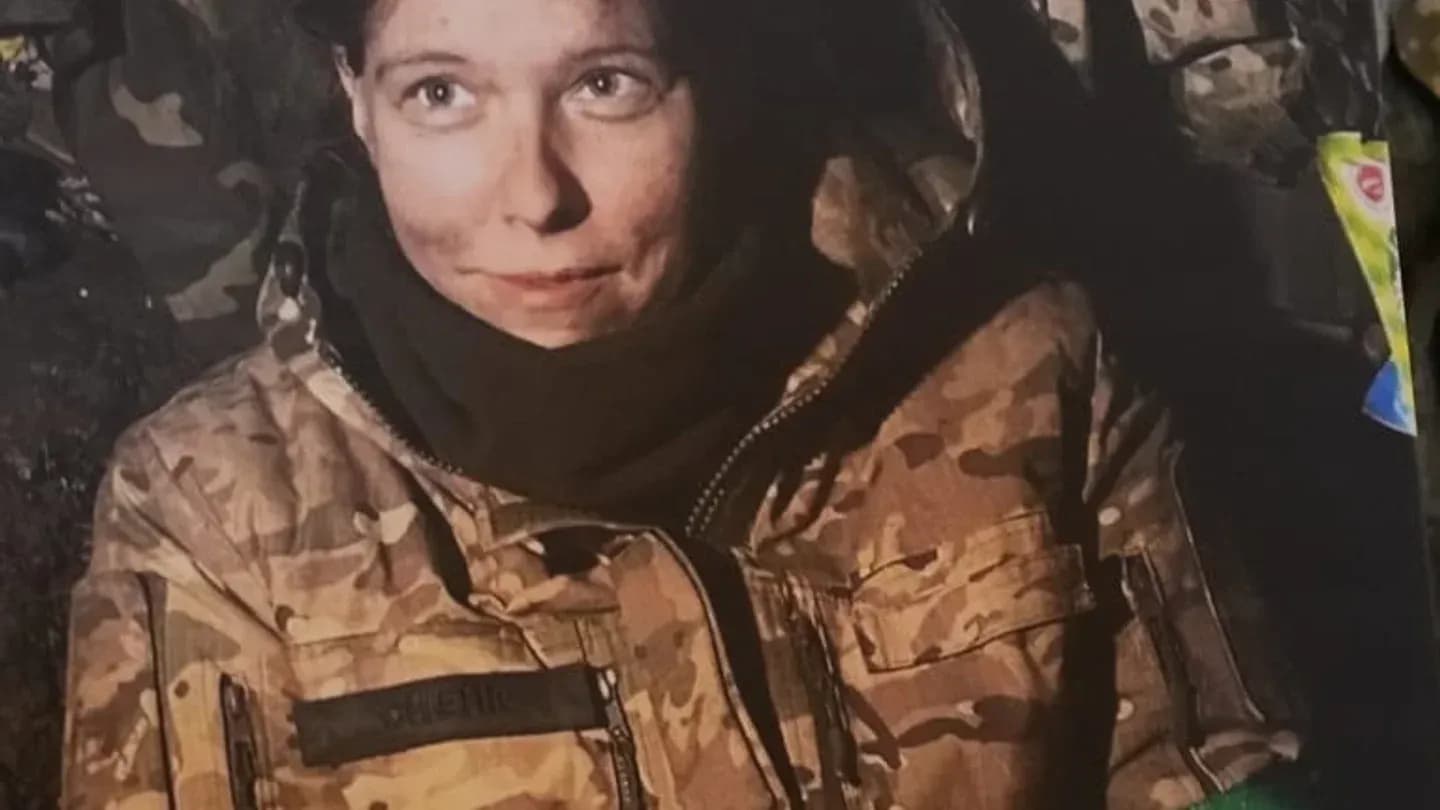
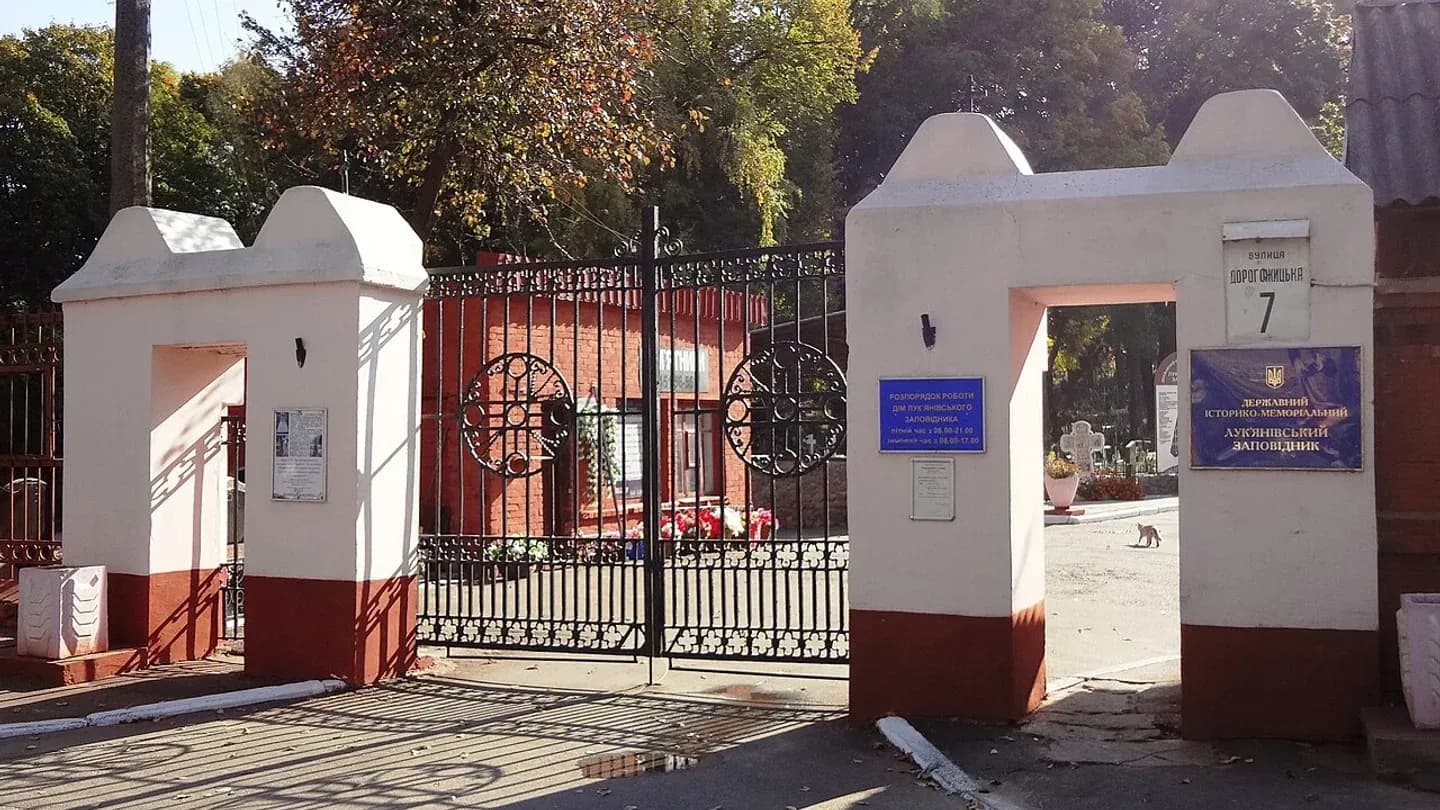
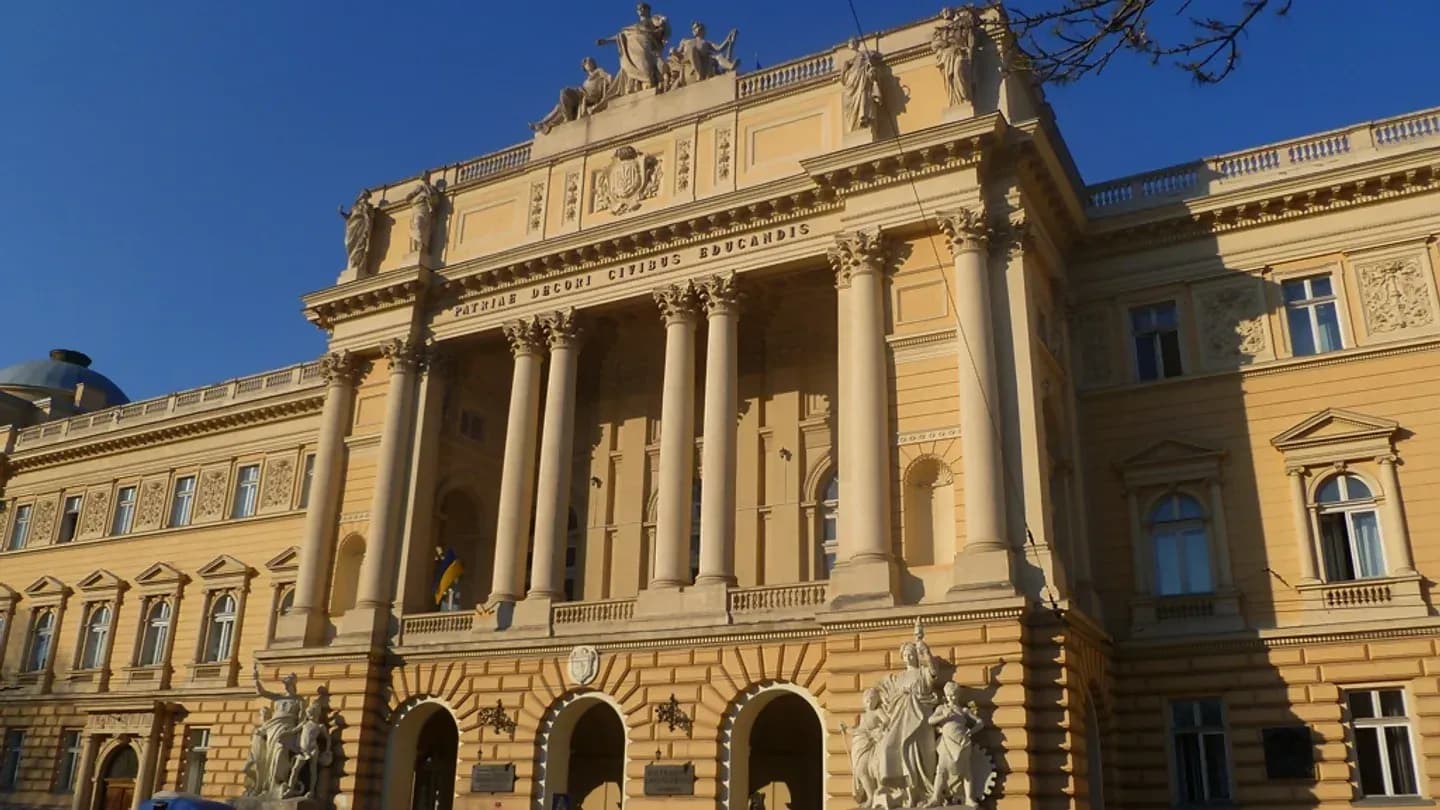
Ursula Wagner had crossed the Ukrainian border many times before without any problems. This time she was not travelling as a tourist: on the Alley of Honour at Kyiv's Lukianivka cemetery lies her daughter Savita Wagner, a German combat medic killed in late January 2024 by mortar fire while evacuating wounded comrades in the Luhansk region. The family consciously decided to bury her in Ukraine. "We decided it would be right to leave her beside her comrades," Ursula Wagner explained after the funeral. "Once a year we will come to Kyiv to visit her." Besides the grave, her plans included a meeting with students at Ivan Franko National University of Lviv: a presentation of Savita's front-line diary, published in spring in Ukraine and Germany and a bestseller in Germany.
Six euros as a possible ground
The only version of the reason voiced publicly is bitter and unconfirmed by any document. In unofficial explanations associated with the border agency, an unpaid traffic fine figures among the frequent grounds for banning entry to Ukraine. Ursula Wagner recounted that during one of her earlier visits police stopped her for speeding; she could not pay the fine of "about six euros" on the spot because the officers' payment terminal was not working, and she later lost the violation notice with the bank details. Whether this is what triggered the three-year ban is unknown: "That would be a real mockery. I travel two thousand kilometres and I am sent back over a few euros."
If this version is even partly true, it describes a system that failed both to collect a debt of a few euros and to tell the person about that debt across years of her subsequent trips, yet managed to close the border to her for three years. And even this version remains an assumption: there is no official explanation, and the refusal document lists no reasons.
A system accountable to no one
An entry ban is a lawful tool, and a state has the right to close its border to those who break its rules. The problem in this story is not the tool but its execution: a decision that strips a person of the right to enter for three years travels a path on which nobody is obliged to explain it — neither to the officer enforcing it at the border, nor to the person herself until she is already standing there with her suitcase. For relatives of fallen foreign volunteers — people Ukraine itself invited and decorated posthumously, as Savita Wagner was with the Order for Courage — this story means that their encounter with the state machine may happen only at the border, when the tickets are already bought and the grave waits a few hundred kilometres away.
Savita Wagner came to Ukraine at the start of the full-scale invasion as a volunteer, joined the army, fought as an infantry soldier and later as a combat medic in the Karpatian Sich unit. Her mother now cannot keep the promise she made at the funeral: to come to Kyiv once a year. The next scheduled chance is no sooner than the three-year ban ends — unless it is lifted earlier.
The questions the State Migration Service, its supervising ministry and the government have to answer are simple and uncomfortable: by what criteria is a foreigner put on the banned list, who verifies that data before a decision is taken, how can a person learn about a ban before travelling, and how can it be challenged. Until there is an answer, the three-year ban on the mother of a fallen medic looks less like a security decision than like a failure nobody dares to acknowledge and fix.
Primary sources
Documents and statements this story is based on.