
EU debates another €45 billion for Ukraine: who pays for the loan?
Leaders in Brussels are discussing Ukraine’s financing alongside the next EU budget. Up to €20 billion of the proposed new loan would support civilian budget needs.
EU leaders gathered in Brussels on November 26 for a special summit on the Union’s 2028–2034 budget and financing for Ukraine. For Kyiv, the immediate decision concerns an additional loan of up to €45 billion for 2027. More than military supplies are at stake: the European Commission proposes allocating up to €20 billion to support the state budget and essential public services.
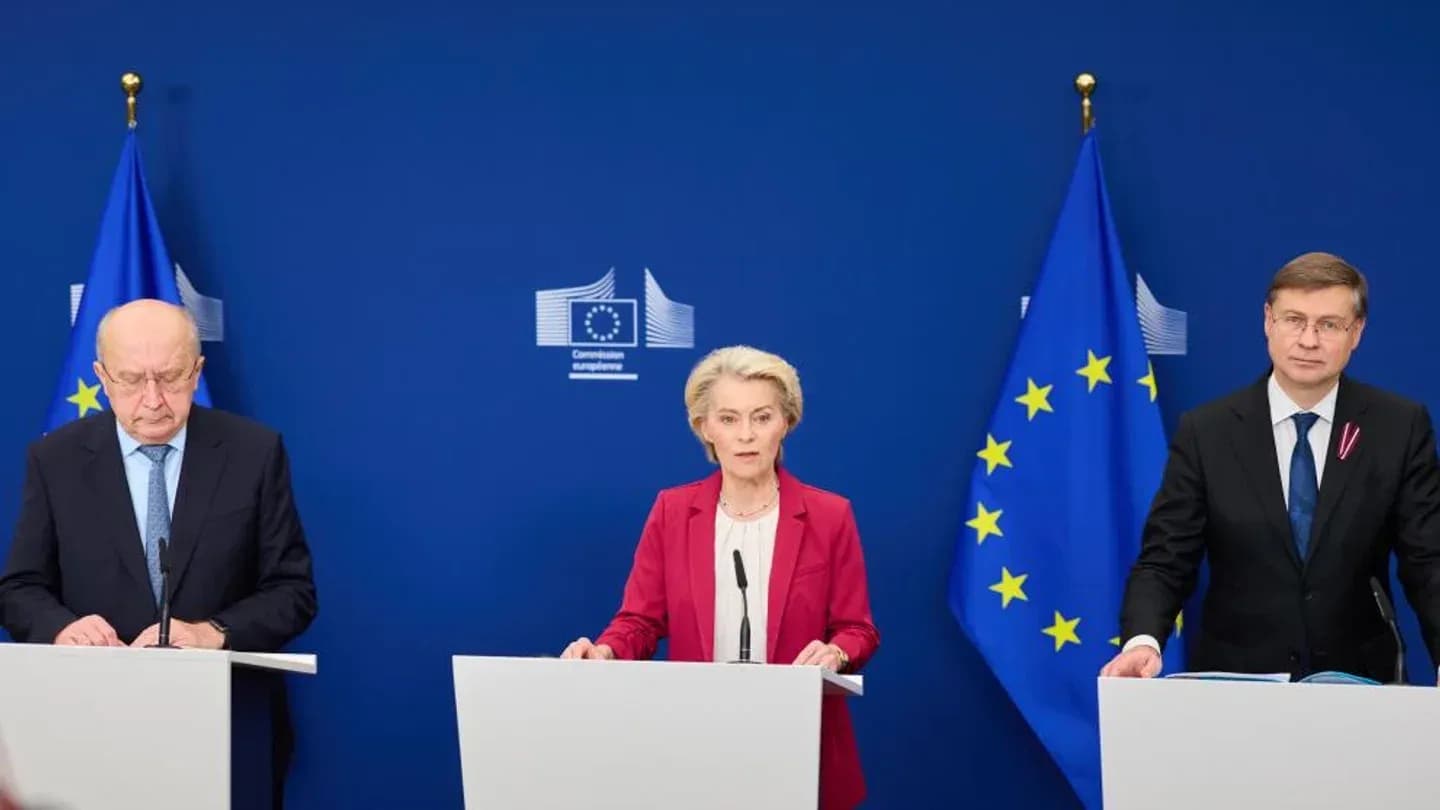
The talks are scheduled for November 26–27. On their opening day, Hungarian Prime Minister Péter Magyar said he expected “long, difficult and sometimes heated” discussions. For Ukrainians, however, the substance of the dispute is not the sharpness of exchanges around the negotiating table, but how much money will become available next year, on what conditions, and who will pay the borrowing costs.
What the new loan would cover
The Commission presented its legislative package on November 18. It provides for up to €25 billion in military assistance and up to €20 billion in general budget support. This is additional funding, not a new name for the previously agreed €90 billion loan for 2026–2027. Of that earlier instrument, €45 billion remains available for 2027, with disbursement subject to agreed reforms and conditions.
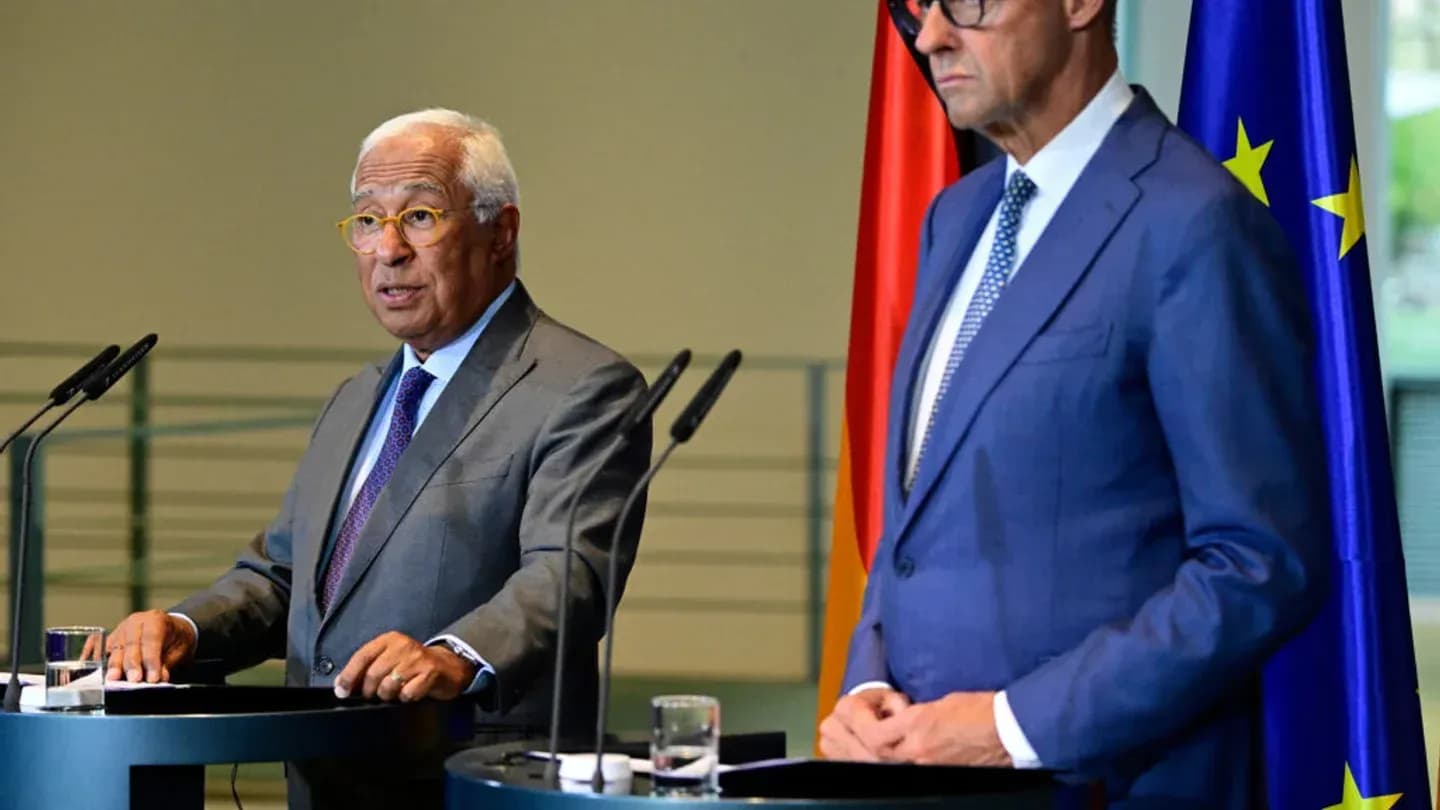
The Commission estimates Ukraine’s additional financing gap for 2027 at €70 billion. The new proposal would cover roughly two-thirds of that need; the remainder would require support from international partners. Approving the European package would therefore not, by itself, close the entire additional gap.
For civilians, the money would help keep public services running, including schools and hospitals. The budget component is not an unconditional transfer to Ukraine’s government: the Commission links it to rule-of-law and anti-corruption reforms. The draft also includes requirements to respect democratic institutions, a multiparty parliamentary system and human rights.

Reparations for repayment, the EU budget for the guarantee
The Commission proposes raising the money on capital markets, backed by EU budget headroom — the margin between the permitted revenue ceiling and budget spending. Ukraine would be required to repay the principal only once it receives reparations from Russia. That structure postpones the requirement for Kyiv to repay the principal, but does not eliminate the cost of the EU’s borrowing.
This is where the 2027 loan intersects with the next seven-year budget. In the draft’s explanatory memorandum, the Commission expects borrowing costs to start being invoiced in 2028. To subsidise those costs, it proposes a dedicated special instrument above the multiannual financial framework’s expenditure ceilings. This still requires agreement; interest payments have not already been secured.
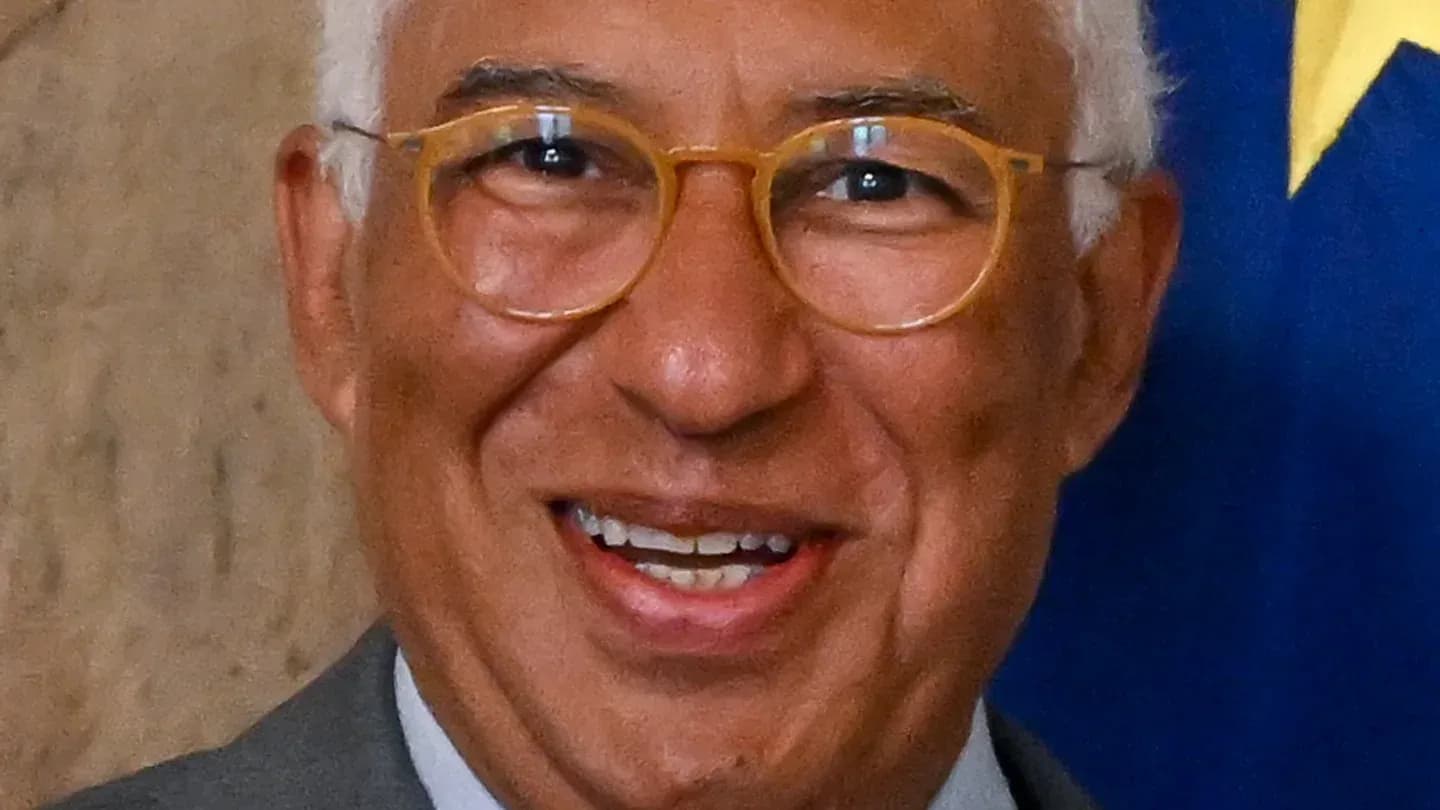
On November 22, German Chancellor Friedrich Merz described António Costa’s proposed long-term budget compromise as a first step, but said its overall size remained too large. Merz is pressing for cuts, citing the need to consolidate national budgets. The promise to support Ukraine thus meets a concrete dispute over European governments’ spending and financial commitments.
Launching the new loan requires adoption of the legislative proposals. The European Parliament and the Council must consider them, including an amendment to the current financial framework to enable the budget guarantee. Ukraine’s government, for its part, must meet the conditions for budget support. Both processes will determine whether the proposed €20 billion becomes available for civilian needs in 2027.
Primary sources
Documents and statements this story is based on.