
Deutsche Bank's 15-million-file leak: a €1.7bn network linked to Deripaska and reports without his name
More than 15 million internal Deutsche Bank files show the bank spent years reporting suspicious transactions of a network linked to Deripaska without ever naming him, while Melnichenko's accounts were only "technically blocked". The explanations are now owed by Europe's sanctions regulators.
On 17 November 2026, a consortium of more than 230 journalists from 56 outlets published the first results of Inside Deutsche Bank, an analysis of a leak of more than 15 million internal documents from the German bank. For Ukraine, defending itself against Russia's invasion, these files contain a direct answer to why sanctions on Kremlin-linked oligarchs so often work only on paper: a bank that over a quarter of a century paid billions of euros in fines for manipulation, fraud and failures to prevent money laundering spent years telling regulators about suspicious transactions without naming the people behind them.
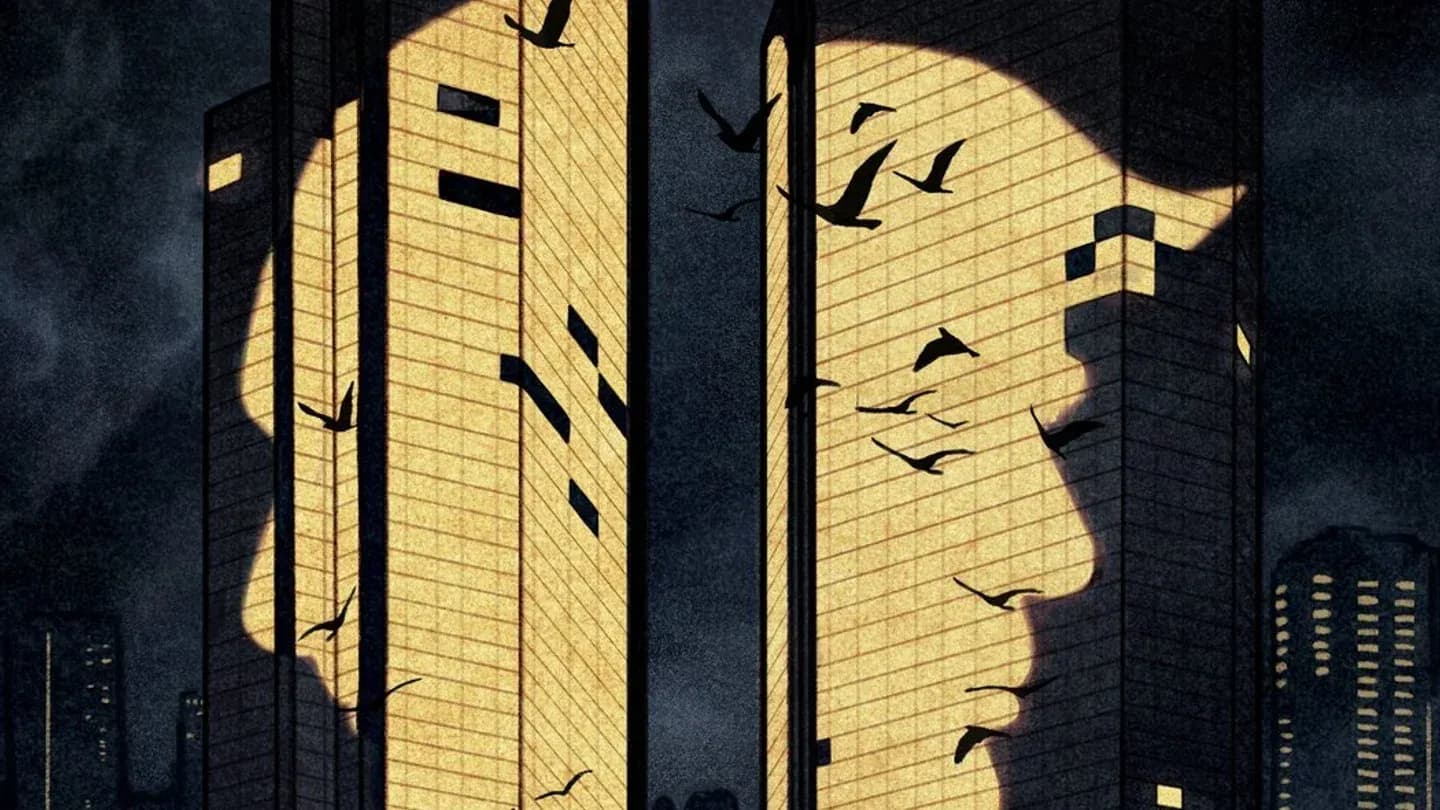
The leak covers more than nine million emails, risk assessments, board minutes and internal financial-crime investigations. Two whistleblowers, whose identities are protected, passed the material to journalists Josy Joseph and Khadija Sharife; according to their lawyer, the documents were also supplied to the US Department of Justice, the Financial Crimes Enforcement Network (FinCEN) and the UK treasury. Deutsche Bank did not dispute the documents' authenticity, calling most of the described events a matter of "many years ago".
A €1.7bn network — and not a single name
The bank's own internal investigation, known as Project Wingman, recorded that between 2017 and 2020 more than €1.7 billion passed through Deutsche Bank's systems via at least fifteen shell companies. The entry point was Hungary's MKB bank, described in internal reports as an institution "practically controlled by the Hungarian government". The bank identified nearly a dozen potential sanctions-evasion cases and reported them to US authorities under its obligations to the Department of Justice. Yet not one suspicious activity report contained the name of Oleg Deripaska: he did not appear in the companies' official records, although reporters traced transactions to his wife, business associates and nominees — from Hong Kong's Dempshire to Yingli, Versala and Sanderlyn. On 18 November the consortium published a detailed report on this network.
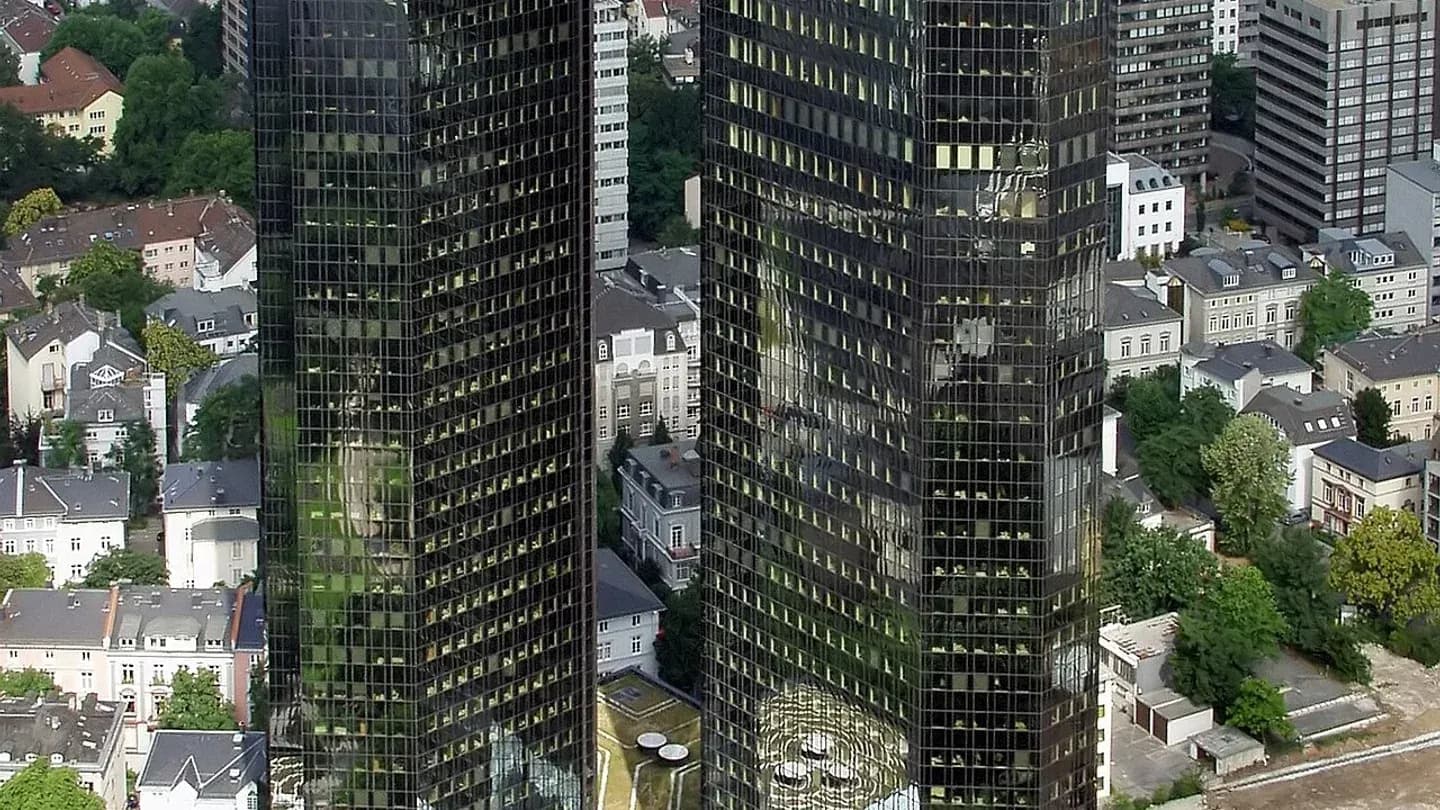
Formally, the bank did the right thing: it detected, reported and filed. In practice, money linked to a sanctioned oligarch kept moving through the European financial system. Frankfurt prosecutors, who opened a money-laundering probe into the network in early 2020, later closed it after Hungarian counterparts declined to treat the case as their jurisdiction.
"Technical blocking" instead of a freeze
The story of Andrey Melnichenko shows the mechanism even more bluntly. One day before the EU sanctioned the oligarch, parts of his coal empire were transferred to his wife; a bank staffer warned this "could be considered sanctions evasion". The bank did not freeze his European accounts, citing "legal uncertainties", but "technically blocked" them — a distinction that allowed Melnichenko to keep his millions parked at the bank. Shortly after Russia's full-scale invasion, the Dutch fiscal intelligence agency FIOD opened its own investigation into Deutsche Bank; later there was also an attempt to help the oligarch withdraw cash through the Singapore branch. Melnichenko's spokesperson insists there was no transfer of companies: the oligarch merely resigned as beneficiary of a trust, with his wife succeeding automatically under the trust deed.
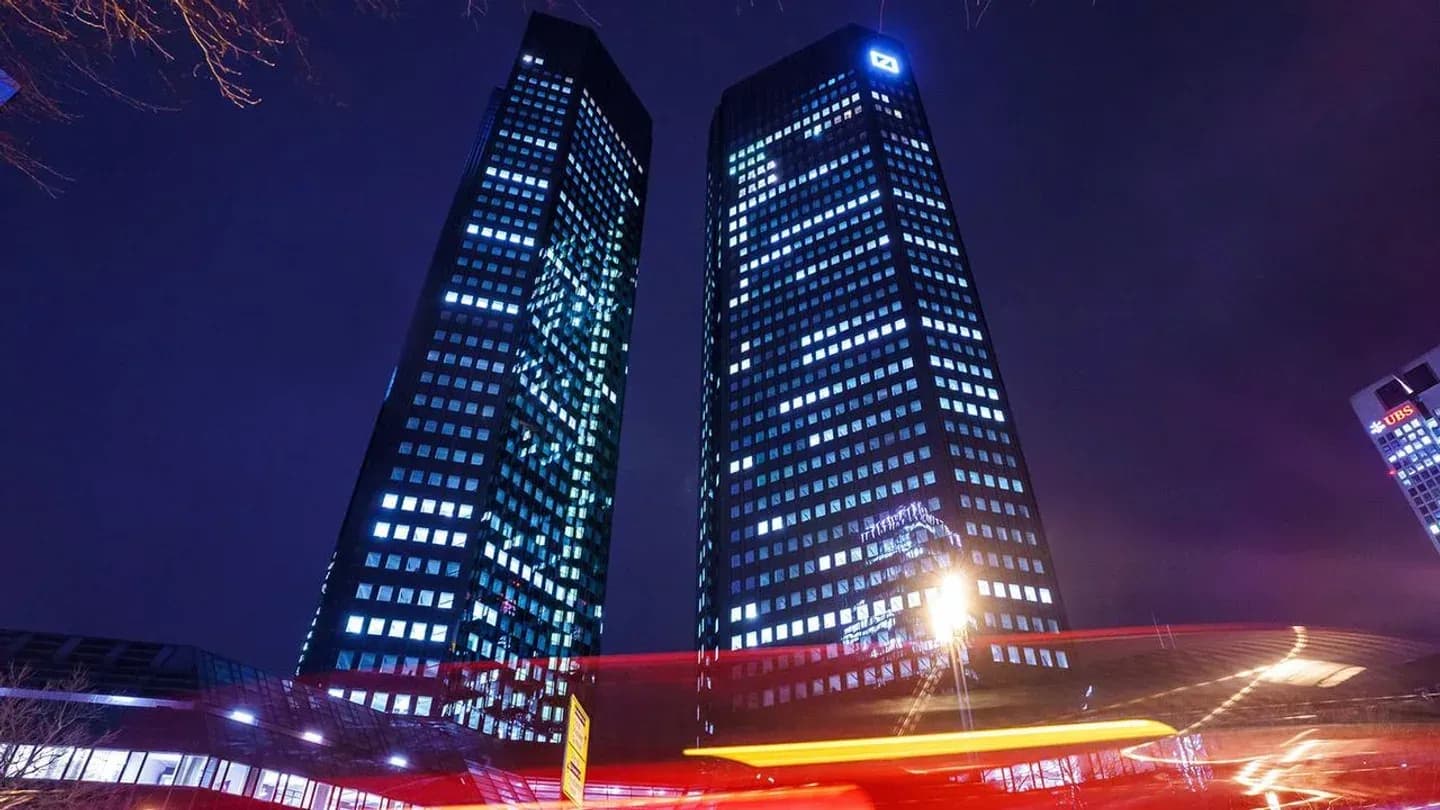
The wider picture of the Russian portfolio: an internal 2020 document shows 17 of the bank's 160 Russian clients appeared on the US Treasury's "Kremlin list", accounting for 47% of the bank's revenue from Russia. After the annexation of Crimea the bank moved wealthy Russian clients to Switzerland and Luxembourg — jurisdictions with strict banking secrecy that limits data sharing even under sanctions requests. In 2021 the board unanimously approved a "cautious expansion" of the Russian business, and in December opened a new office in Moscow. The largest and most profitable Russian client was Gazprom, bringing in an average of more than €10 million a year over the previous decade.
Fines, raids and "a different bank"
Internal correspondence paints a bank that knew its own problems before regulators did. In 2019 the chief operating officer described operations as "an absolute cluster fuck", effectively running "outside of law and order"; the new head of anti-financial crime reportedly called internal controls "a shambles". Current CEO Christian Sewing, back in 2017, complained that "know your customer" rules were "choking our revenue". The bank categorically rejected what it called "false insinuations" about Sewing's "supposed attitude": it insists he has always demanded that controls and risk management be taken seriously and set the limits of what the business can afford.
The price of that attitude is measured in more than reputation: since 2000 Deutsche Bank's offices have been raided at least 43 times, and the participants in the investigation put fines and settlements for manipulation, fraud and failures to prevent money laundering differently — anywhere from €18 billion to more than €20 billion over a quarter of a century. One further episode is known only from the investigation's own files: in early 2026 investigators searched the Frankfurt headquarters in a probe into transactions that are linked to sanctioned Roman Abramovich, checking whether the bank had reported suspicious activity in time. Separately, in July 2026, Düsseldorf prosecutors raided the bank over Cum-Cum tax schemes at subsidiary Postbank — a search the bank confirmed officially.
The market reacted instantly: on 17 November shares fell as much as 6.2% intraday, to €30.88 — the biggest daily drop since April 2025. Sewing himself, answering the exposés, said that looking at the events today "you naturally ask yourself whether you could have done something differently", adding that "in hindsight you can always say that at a certain moment you might have prioritised differently". "I am not flawless," the chief executive conceded, while insisting the bank's course "was always right and still is". He rejected the accusation that he personally had neglected risk management: in the argument over client checks, he said, he had only asked whether a retail customer needs the same cumbersome procedure as a corporation with 300 subsidiaries — "that does not mean I wanted to push risks aside".
His counter-arguments come down to numbers: seven billion euros went into compliance and money-laundering prevention, and the staff of those units grew by 40%, to 3,000 people. By the bank's own assessment it expects no significant financial consequences from the leak, and it has apologised to the clients whose material ended up in the trove: Sewing says he held personal conversations with them and maintains that account numbers, balances and login data were not affected, so the publication does not open access to anyone's money. The leak also revived episodes unrelated to Russia: suspicious transactions of about $600 million linked to Jeffrey Epstein (another estimate inside the consortium is $582 million), and the mistaken 2017 sending of Donald Trump's tax document to another client's accountant, which the bank did not report to the White House.
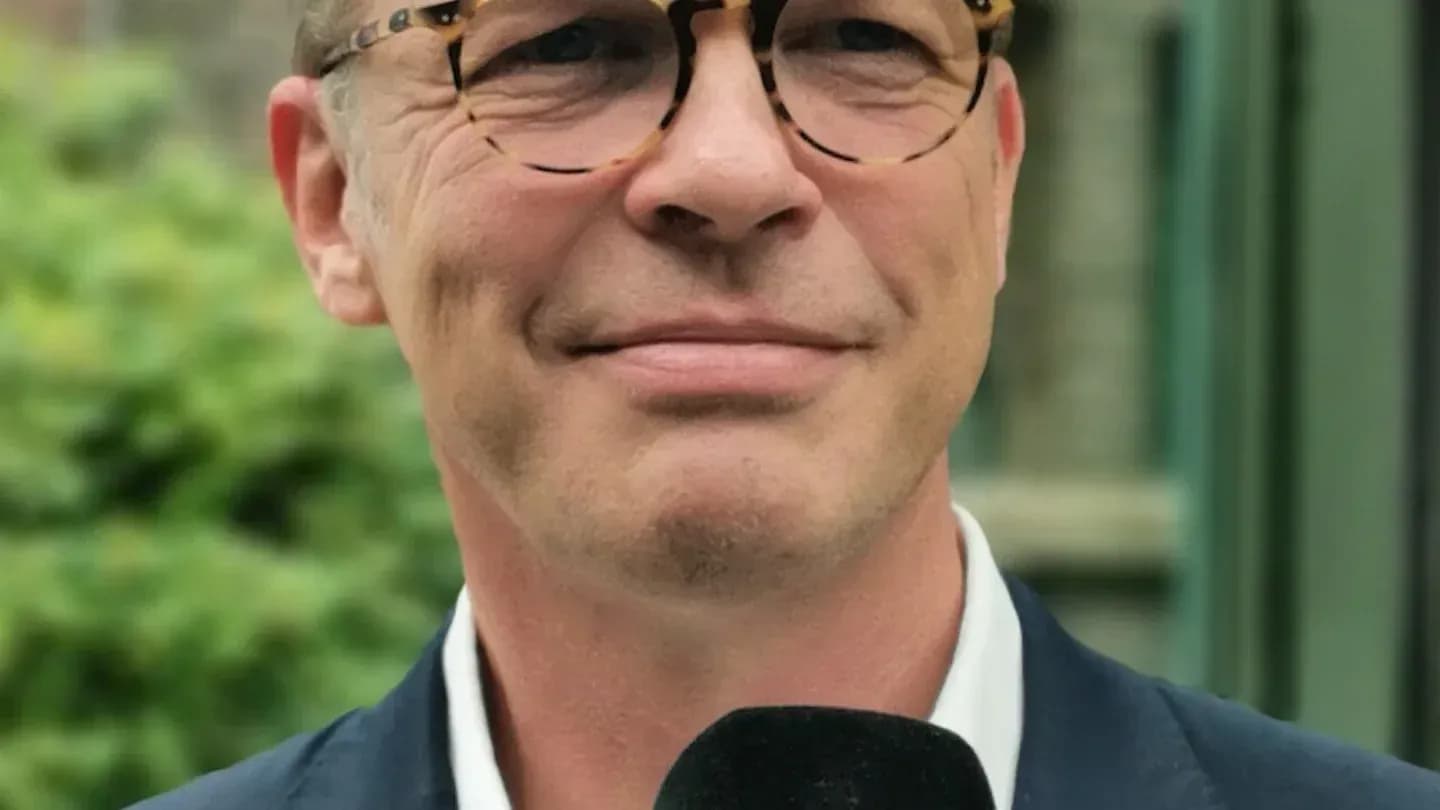
Sanctions loosened after exposure
Against this backdrop, the EU Council's September decision looks like a mirror image of the bank's "formally complied" logic. On 22 September the EU removed Alisher Usmanov and Mikhail Fridman from its sanctions list — on the initiative of France and Luxembourg — while extending restrictions on roughly 2,600 other individuals and entities for three years. Kyiv called it an unacceptable signal to Moscow; Foreign Minister Andrii Sybiha announced that Ukraine is preparing national sanctions against more than 20 Russian oligarchs, and against Usmanov and Fridman themselves. Britain, Canada, Japan and Australia confirmed they would not delist these oligarchs.
The Deutsche Bank leak does not prove that every payment in the network linked to Deripaska was a crime, and it does not replace a court ruling against the bank. It shows something else: a system in which a bank can file reports on "suspicious activity" for years without naming sanctioned individuals, while EU governments trade exemptions from sanctions lists, keeps the money of war in circulation. The chief executive's admission that priorities could have been set differently does not answer the central question the files raise — why the names known to the bank's own investigators never reached the regulators. The next move belongs to them: the leaked material already sits with the US Justice Department and FinCEN, German prosecutors are checking the timeliness of the bank's reports, and the consortium has announced further publications. For Ukraine this is an argument not to wait for European consensus: national sanctions lists, and a demand that partners sever not "technically blocked" but real ties between oligarchs and the financial system.
Primary sources
Documents and statements this story is based on.