
Pashinyan sees an EU application in 2027–2028 as possible, not accession
Armenia’s prime minister outlined possible dates for a membership application. Yerevan has yet to apply; candidate status and accession require separate decisions.
Armenia could apply for European Union membership in 2027 or 2028. Prime Minister Nikol Pashinyan called that possibility realistic on 3 November 2026 at the EU Enlargement Summit organised by Euronews in Brussels. He was discussing a possible application date, not an agreed date for the country to join the Union.
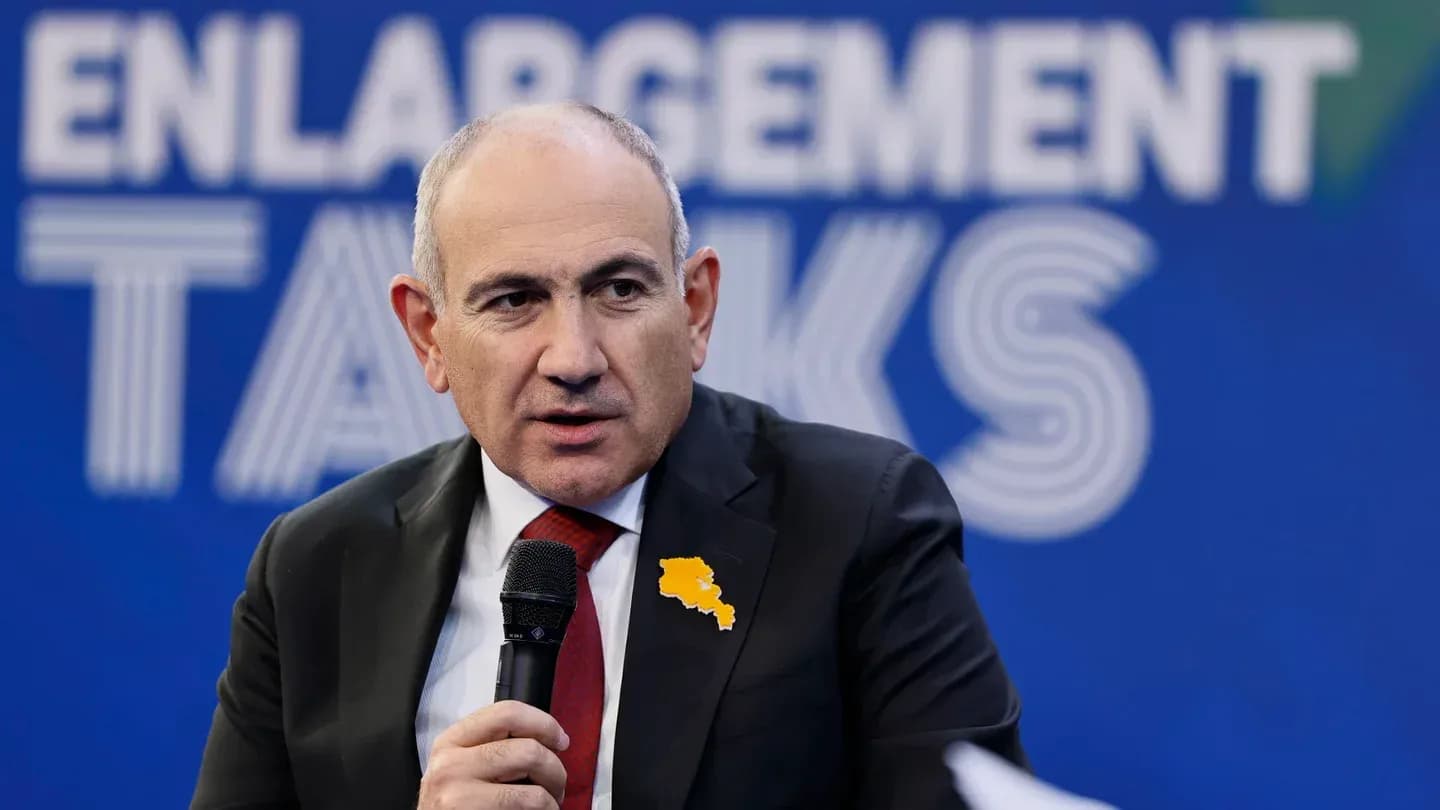
According to Euronews, Pashinyan said next year could be a realistic timeframe, as could 2028. He explained that Armenia had begun a process intended to lead to a final decision on submitting a formal application. The outlet explicitly notes that Yerevan has yet to apply. The prime minister’s office confirmed Pashinyan’s participation in the summit and discussions about the prospects for relations with the EU.
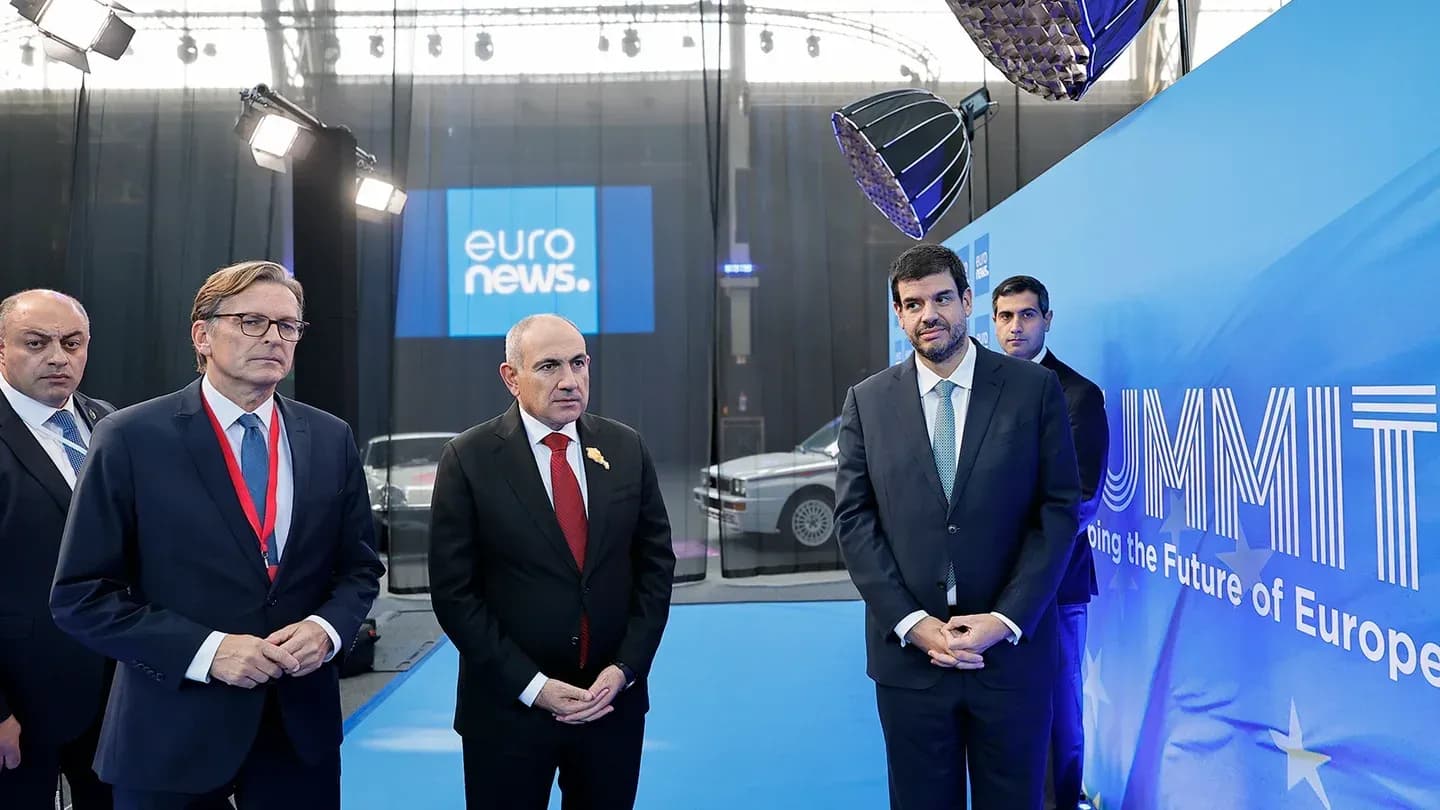
The prime minister linked the European direction to protecting democracy, calling it a strategic choice for the Armenian people rather than a matter of circumstances. He said the government’s aim was to give citizens an alternative and develop the country’s independence. Pashinyan also acknowledged the need to choose between EU membership and remaining in the Russia-led Eurasian Economic Union; in his view, Armenians themselves should make that choice, Euronews reports.
This clarifies an intention announced earlier, rather than reporting an application already submitted. In August, Euronews reported that Pashinyan had told parliament about preparing an application “in the near future”. He then described a sequence of an application, a response from Brussels, discussion of a roadmap for negotiations, and subsequently a national referendum on membership. That is a stated political plan, not an EU-approved calendar.
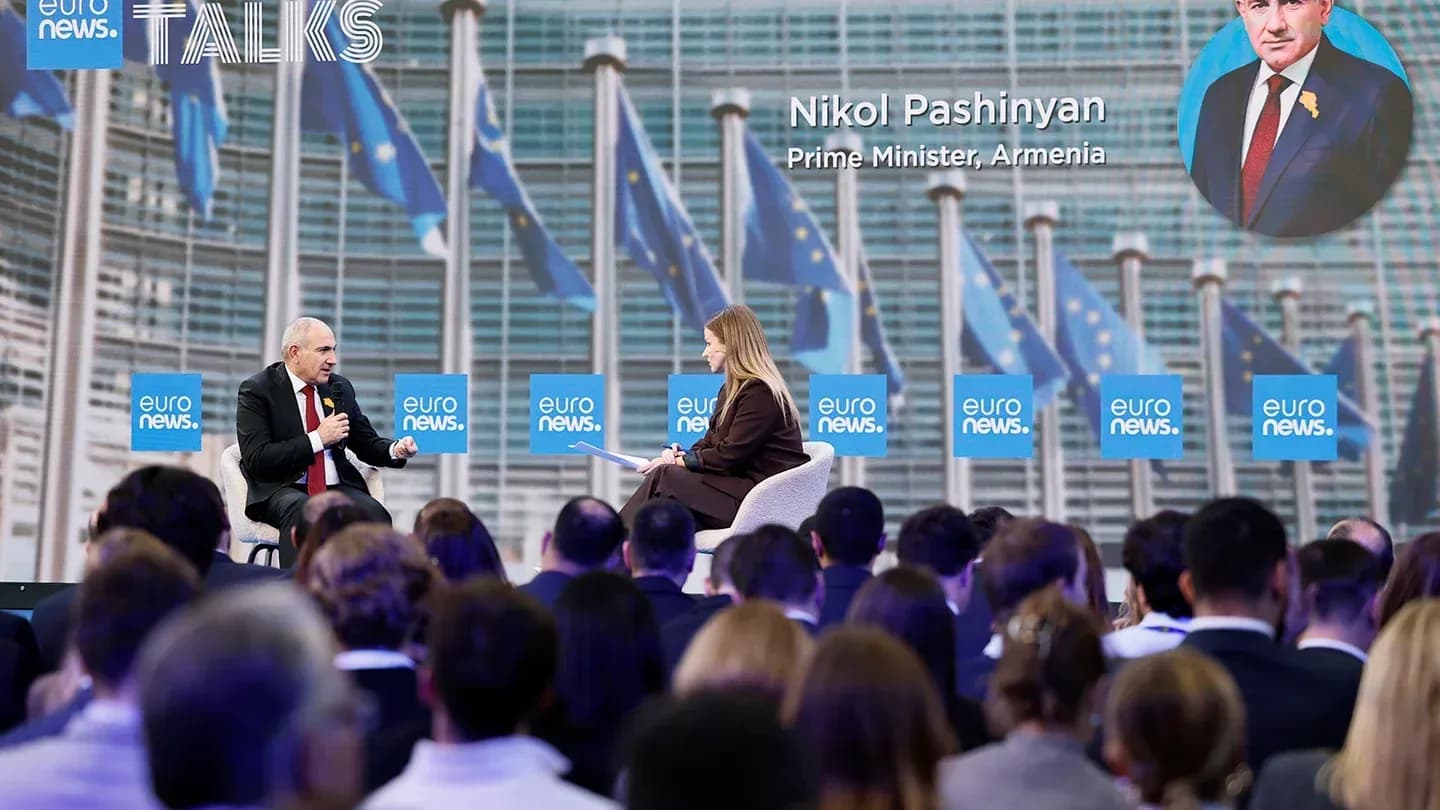
An application, candidate status and accession are distinct stages. An application does not itself confer candidate status, and even official candidate status does not automatically mean negotiations have begun. The European Commission explains that opening talks requires all EU governments to agree unanimously on a negotiating framework in the Council of the EU.
The country must then align its legislation with EU law and carry out the necessary judicial, administrative, economic and other reforms. According to the Commission’s explanation, the pace of negotiations depends on each country’s progress. Once talks are completed, an accession treaty requires support from EU institutions, signature and ratification by the applicant country and every member state in accordance with their constitutional procedures.
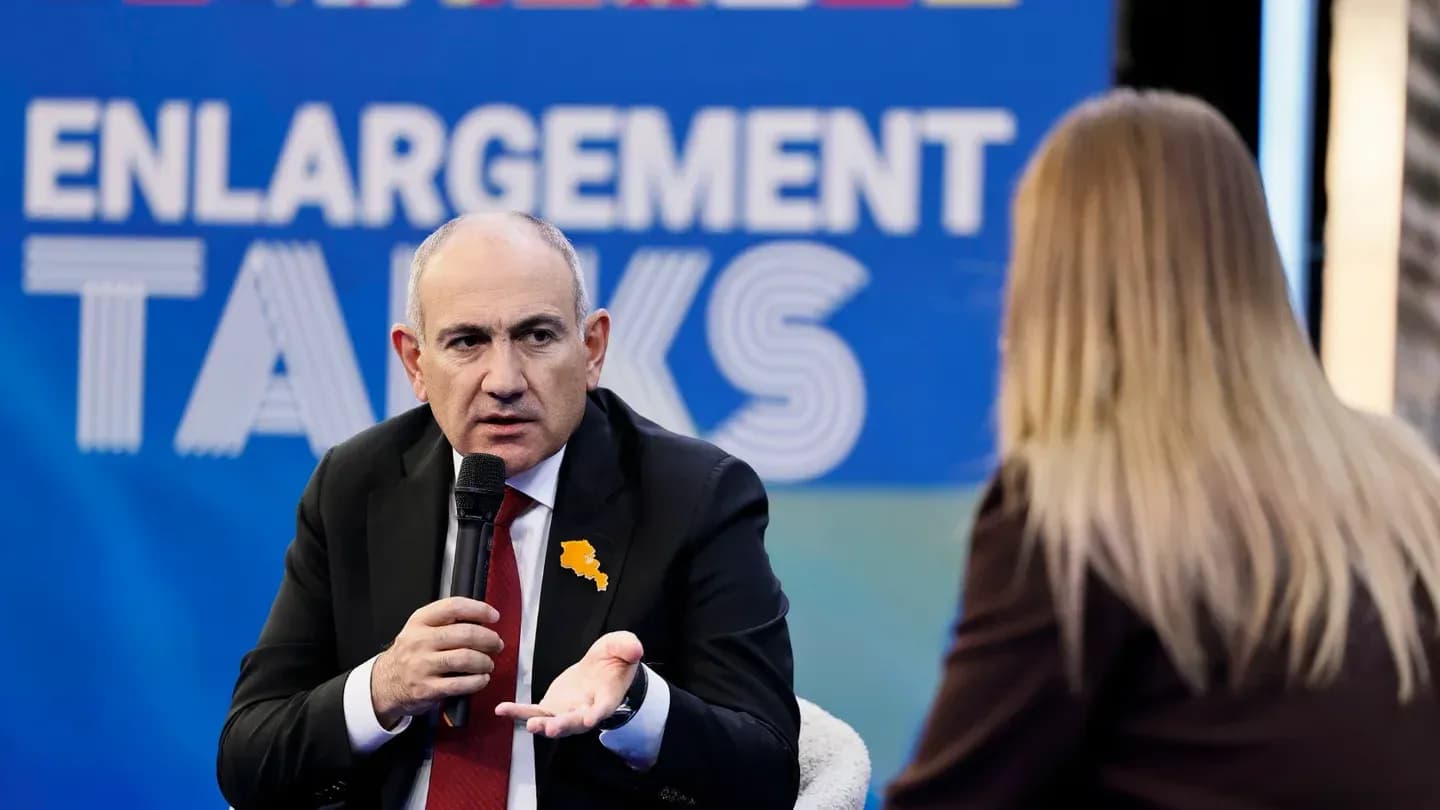
The years 2027–2028 in Pashinyan’s remarks therefore represent a possible window for an application. They set no timetable for candidate status, the opening of negotiations or membership: further progress will depend both on Armenia’s decisions and reforms and on decisions by the European Union.
Primary sources
Documents and statements this story is based on.