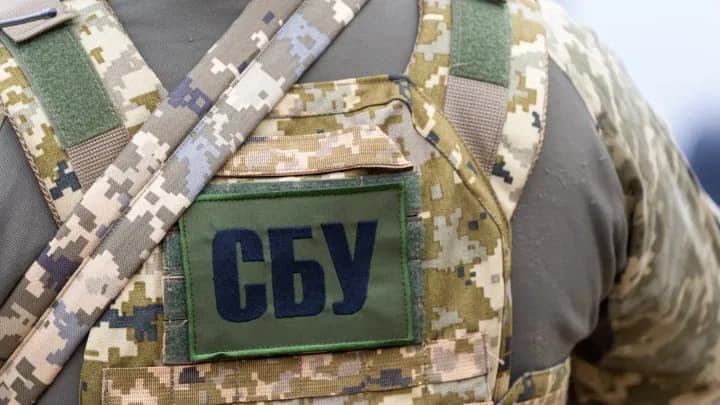
'20% of combat pay': lieutenant colonel from the unit's document verification group demanded kickbacks for destroyed Russian equipment
Prosecutors say an officer from the working group that certified destroyed enemy equipment demanded a fifth of his subordinates' rewards — 380,000 hryvnia out of nearly two million. A court ordered him held in pre-trial custody, with the option of posting 998,000 hryvnia in bail.
A lieutenant colonel of the Armed Forces of Ukraine who sat on a working group verifying documents on destroyed or captured enemy equipment has become a suspect in a case of extorting combat rewards. Investigators say the officer demanded 20% of the money owed to his subordinates — about 380,000 hryvnia out of nearly two million accrued for destroyed Russian equipment. He was detained on 5 November near a temporary deployment point of Ukrainian troops in Dnipropetrovsk region, immediately after receiving the full amount.
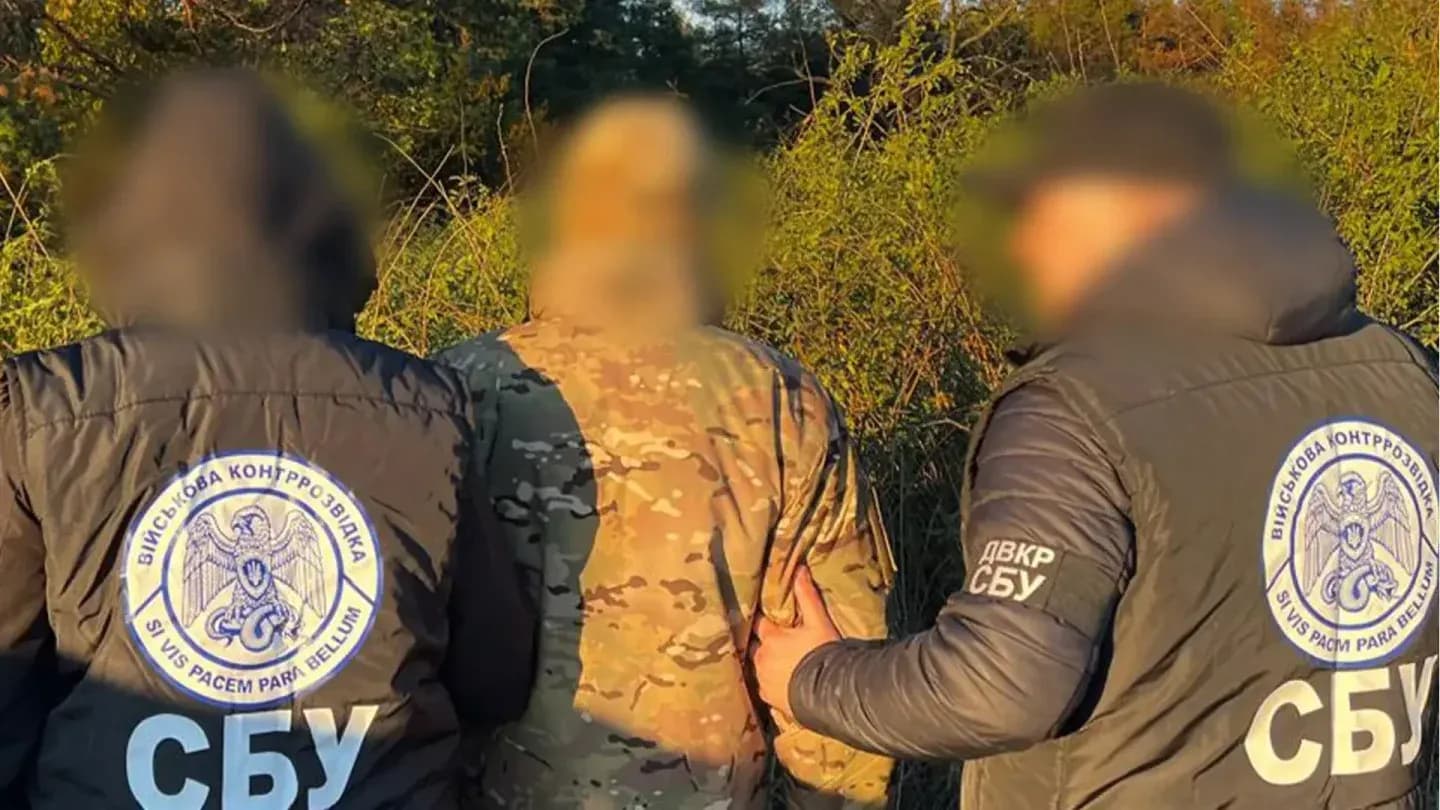
The operation was carried out by the Security Service of Ukraine's military counterintelligence together with the National Police, with the assistance of the Commander-in-Chief of the Armed Forces of Ukraine; procedural supervision rests with the Kryvyi Rih specialised defence prosecution for the Eastern region. The Security Service published the operation's details on 14 November; the Prosecutor General's Office had described the case earlier.
A fifth of the reward for 'unhindered paperwork'
According to investigators, the suspect held the post of senior officer of a group studying and implementing the experience of unmanned systems operation in one of the army units. It was this link that certified the results of striking enemy equipment, and its documents and orders decided whether soldiers would receive the rewards they were entitled to. The officer, investigators believe, turned that dependency into a business: in exchange for his 'share' he promised unhindered processing of the paperwork, and in case of refusal threatened to obstruct it.
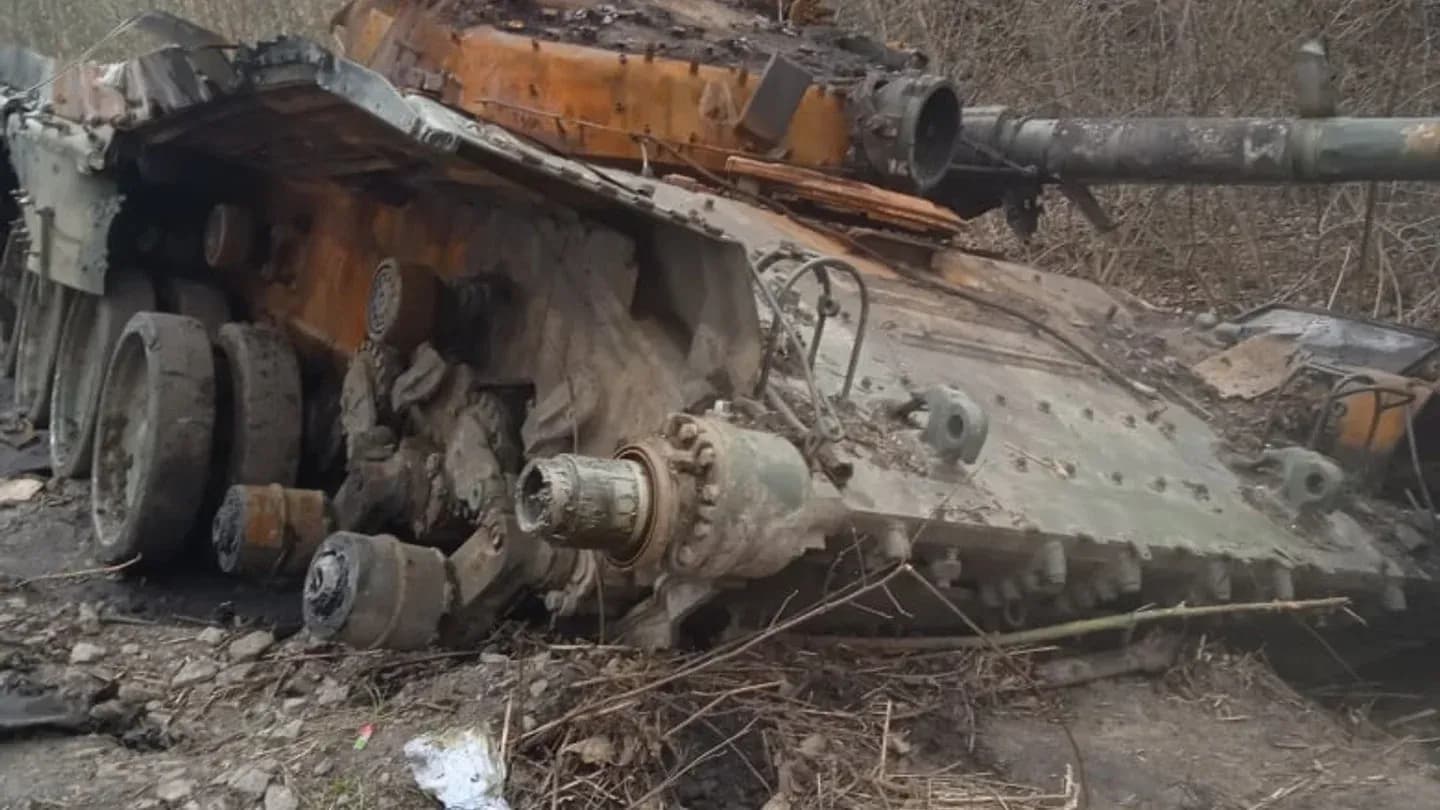
The demand, according to the case file, was made in September 2026 during a meeting in Pavlohrad — to a deputy commander of one of the units. In total, the unit's service members were to receive about two million hryvnia for destroyed Russian equipment; the officer claimed a fifth of that sum as payment for preparing documents and issuing the orders without which the payouts do not go through. The Prosecutor General's Office calls this the first documented case in Ukraine of demanding an undue benefit for processing rewards for destroyed enemy equipment.
Detention with a bail option of nearly a million
The lieutenant colonel has been served notice of suspicion under Part 3 of Article 368 of the Criminal Code — acceptance by an official of an undue benefit combined with extortion. The court ordered pre-trial detention with the possibility of posting bail of 998,000 hryvnia. Prosecutors also filed a motion to seize the suspect's mobile phone and his Lexus; the outcome of that motion has not been made public. The sanction provides for five to ten years of imprisonment with confiscation of property and a ban on holding certain posts for up to three years. Until a court verdict, the suspect is presumed innocent.
Why one officer's signature costs a fifth of the payout
The very design of rewards for destroyed equipment creates a point where crews' money depends on the discretion of the verifier. A reward is accrued only after the combat result is documented: reports, acts and orders pass through the units' working groups, and those papers decide whether soldiers ever see their money. The Dnipropetrovsk case shows what happens when that chain lacks independent oversight: the person certifying a strike starts selling his own signature, and refusing to pay turns into the risk of never receiving the payout at all.
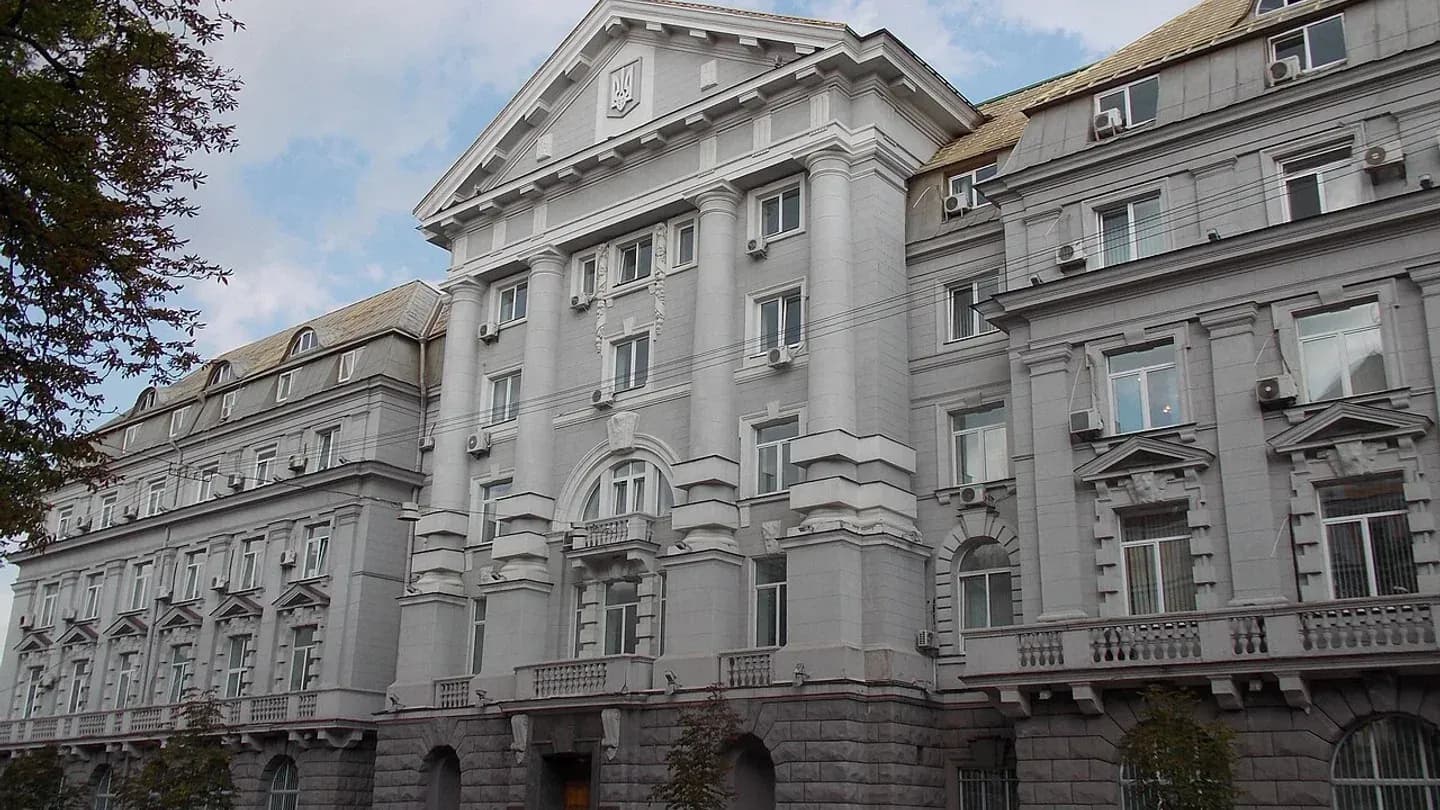
This is not the first time combat payments have become merchandise inside the units themselves. In June, three officers of an army corps in Kharkiv region were served notices of suspicion over shakedowns of subordinates for inclusion in reports entitling them to combat pay; investigators documented 274,000 hryvnia. That scheme, too, grew out of procedure: commanders decided who would appear in the payment documents, and that decision had its price.
Manpower shortage raises the price of every hryvnia paid out
The story broke at a moment when the army speaks openly about a shortage of people. On 16 November, the commander of the Ground Forces, brigadier general Sviatoslav Zaiets, said the formation of some new brigades had already been paused: 'Every new brigade is actually a minus: minus personnel, a lot of AWOL cases, and ineffective use of human capital.' When a soldier is the scarcest resource of the war, money for destroyed equipment is one of the few tangible incentives for crews who risk their lives daily. Skimming a fifth of that money strikes not only at soldiers' wallets but at their decision to stay in the war.
What remains an open question
The pre-trial investigation continues, and a court will assess the evidence. But the case as it stands already raises questions the Defence Ministry and the General Staff have not answered publicly: whether the other members of the working group that verified this unit's documents have been checked, and whether the procedure for certifying strikes will change so that crews' payouts no longer depend on one officer's goodwill. A separate question is whether bail of 998,000 hryvnia will be a real barrier to pressure on the soldiers who reported the extortion and agreed to testify.
The next procedural step is the court's review of the prosecution's motion to seize the suspect's phone and car; the trial will follow. For the service members who destroyed the equipment and reported the extortion, its outcome will determine whether their reward reaches them in full — and whether their testimony against their own verifier is worth anything.
Primary sources
Documents and statements this story is based on.